Home / Articles
Zepto Technology: Revolutionizing Cataract Surgery with Precision
Home / Articles
Zepto Technology: Revolutionizing Cataract Surgery with Precision
Cataracts are a leading cause of vision impairment globally, affecting millions of individuals as they age. This condition occurs when the eye's natural lens becomes cloudy, resulting in blurry vision, glare, and, if untreated, severe sight loss. Cataract surgery remains the most effective treatment, offering patients restored vision through the removal of the cloudy lens and the insertion of an artificial lens.
While traditional methods have long been trusted, including manual procedures and femtosecond laser-assisted surgery, they come with certain limitations: longer procedure times, higher costs, and increased risk of complications. Enter Zepto technology, which is redefining cataract surgery by offering a more precise, efficient, and patient-friendly solution.
Zepto is quickly gaining traction as a game-changing alternative, providing unmatched precision and accessibility that are transforming the cataract surgery landscape, especially in underserved areas.
At the heart of Zepto technology is its innovative capsulotomy device, which is used to create a precise opening in the lens capsule during cataract surgery. This critical step is necessary for safely removing the cloudy lens and inserting the new intraocular lens (IOL). Unlike traditional femtosecond lasers, which are large, costly, and require specialized training, Zepto provides comparable precision at a fraction of the cost and complexity.
The device uses a combination of suction and ultra-fast energy pulses to create a perfectly round and centered opening in the lens capsule. This unique approach enhances the surgeon’s control, minimizes tissue trauma, and promotes faster recovery times for patients. Zepto’s simplicity and efficiency make it an appealing choice for surgeons and clinics worldwide, including in regions with limited access to high-cost equipment.
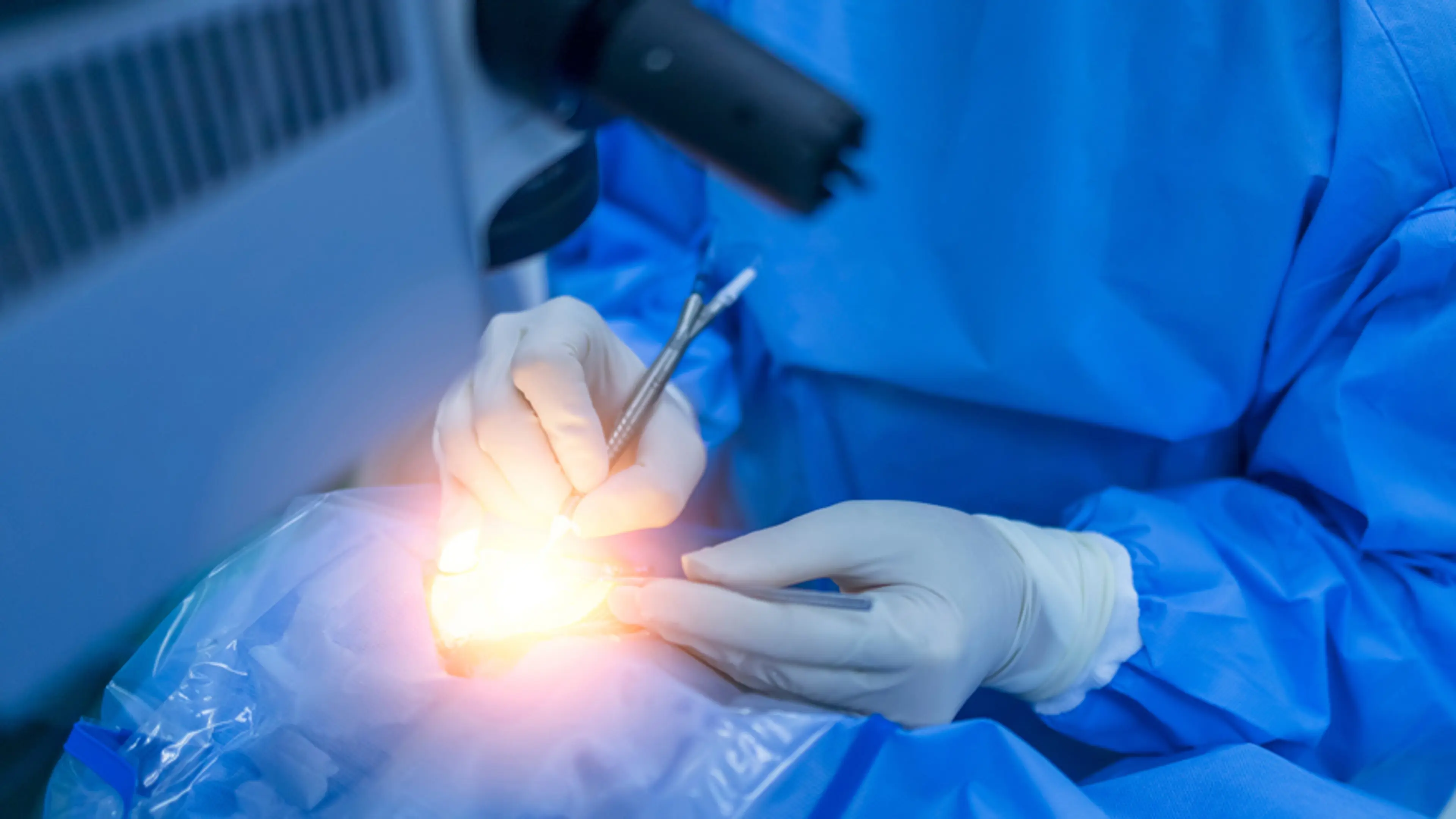
Zepto operates using a unique, pulse-based method. A small, disposable handpiece is inserted through a tiny incision in the cornea. The device’s soft silicone ring adheres gently to the lens capsule via suction, and once secured, it delivers rapid micropulses that create a precise, circular incision in less than a second. This contrast with manual capsulotomy, where the surgeon manually tears the lens capsule, often leading to irregular cuts and higher risk of complications.
Compared to femtosecond lasers, Zepto requires no bulky machinery or extensive facility upgrades. Its compact design and disposable nature make it an efficient, cost-effective alternative, ensuring that advanced cataract surgery is accessible to a broader range of clinics and regions.
By maintaining precision without relying on complex, expensive equipment, Zepto ensures the accurate placement of the IOL, enhancing both short-term recovery and long-term vision outcomes. The accuracy of the Zepto capsulotomy also reduces the risk of complications such as capsular tears and lens dislocation.
Zepto’s innovative design provides multiple advantages, making it an attractive option for both surgeons and patients:
As with any surgical procedure, patient safety is paramount. Before undergoing Zepto cataract surgery, patients undergo thorough eye exams, including imaging and measurements, to ensure the procedure is tailored to their specific needs. Surgeons assess the suitability of Zepto for each patient, particularly those with complex cataracts or other ocular conditions.
It is crucial for the surgeons to have advanced training in Zepto technology to maximize the device’s benefits. Clinics like Jryn Eye Clinic in Busan, Korea, ensure that their ophthalmologists undergo rigorous training in using Zepto, guaranteeing optimal outcomes for every patient.
Zepto technology has already transformed the cataract surgery experience for many patients. Take, for example, a 68-year-old woman who had been struggling with dense cataracts for years. After undergoing Zepto-assisted surgery, she reported experiencing clear vision within just days of the procedure, with no complications. The precision of the capsulotomy ensured perfect lens placement, and she quickly returned to her normal activities.
Zepto’s global impact is growing rapidly. In both developed and developing countries, clinics are adopting Zepto as a cost-effective, efficient solution to cataract surgery. Its compact design and affordability have made it particularly valuable in regions with limited access to expensive femtosecond lasers.
Zepto is also gaining traction in clinical studies across the United States, Europe, and parts of Asia. Research has shown that Zepto performs at least as well as femtosecond lasers in terms of precision and outcomes, with the added benefit of being more accessible for clinics with limited resources.
Zepto is continuing to evolve, with ongoing research focused on improving the device’s energy delivery system and further enhancing its integration with other surgical tools. Clinical trials are being conducted worldwide to evaluate Zepto’s performance in different patient populations, including those with complex eye conditions.
In addition to cataract surgery, Zepto’s principles are inspiring the development of new surgical tools that could expand its application to other ophthalmic procedures. The future of Zepto technology holds great promise for further transforming the landscape of vision correction.
With personalized treatment plans, advanced 3D imaging, and expert surgeons, Jryn Eye Clinic is dedicated to providing exceptional cataract care. The clinic’s multilingual consultations make it accessible to both local and international patients.
Zepto technology is transforming cataract surgery by offering a precise, cost-effective, and minimally invasive solution that enhances patient outcomes. With its compact design and superior precision, Zepto is changing the way cataract surgery is performed, making it more accessible and efficient. As this technology continues to gain global adoption, it is poised to become the new standard of care in cataract surgery.