Introduction
introductionThe retina, a thin layer of tissue at the back of the eye, plays a vital role in your ability to see clearly. When the retina is compromised, it can lead to severe vision loss, often resulting in permanent blindness if left untreated. However, timely intervention significantly improves the chances of preserving vision. For example, recent studies show that early treatment of conditions like age-related macular degeneration (AMD) can reduce the risk of severe vision loss by over 60%.
While retinal diseases can develop silently in the early stages, advances in diagnostic tools now allow healthcare professionals to detect these conditions before symptoms manifest. Early detection, combined with personalized treatment plans, offers the best outcomes for managing retinal health.
In this article, we will explore common retinal diseases, their symptoms, diagnostic procedures, and the most effective treatment options. By understanding these key aspects of retinal health, you can take proactive steps to protect your vision.
What Are Retinal Diseases?
what-are-retinal-diseasesRetinal diseases refer to a variety of conditions that affect the retina’s ability to function properly. Some of the most prevalent retinal diseases include:
Age-related Macular Degeneration (AMD): A leading cause of vision loss in people over 50, AMD impacts the macula, which is responsible for central vision. In the later stages, it can significantly impair the ability to see fine details.
Diabetic Retinopathy: This condition occurs when diabetes causes damage to the blood vessels in the retina. If left untreated, it can result in partial or complete vision loss.
Retinal Detachment: A medical emergency, retinal detachment occurs when the retina separates from its underlying tissue, cutting off its blood supply. Immediate treatment is necessary to prevent permanent vision loss.
Other retinal conditions, such as macular edema (fluid buildup in the retina), retinitis pigmentosa (a genetic condition leading to progressive vision loss), and retinal vein occlusion (blocked retinal veins), can also lead to severe vision impairment.
Recognizing Early Symptoms of Retinal Disease
recognizing-early-symptoms-of-retinal-diseaseEarly detection of retinal diseases can prevent irreversible damage, but these conditions often begin subtly. Recognizing early symptoms is key to seeking timely care. Some early warning signs include:
Blurred or Distorted Vision: Straight lines may appear wavy, or images may look unclear.
Floaters: Dark spots or threads that seem to drift through your field of vision.
Flashes of Light: Sudden bursts of light, especially in your peripheral vision.
Dark or Empty Spots: Areas where vision is completely or partially absent.
Night Vision Problems: Difficulty seeing in low-light situations.
Gradual Vision Loss: Loss of sight in either your central or peripheral vision.
For example, a patient with early-stage AMD may experience slight blurriness when reading, which worsens over time. If caught early, treatments can significantly slow progression and maintain quality of life.
If you notice any of these changes, don’t wait. Seeing a specialist promptly can make a significant difference in your vision preservation.
Diagnostic Procedures for Retinal Diseases
diagnostic-procedures-for-retinal-diseasesModern diagnostic tools allow specialists to detect
retinal diseases early, even before symptoms are noticeable. Some of the most advanced diagnostic procedures include:
Ophthalmic Retinal Examination: Using a slit-lamp biomicroscope, an eye doctor can closely examine the retina for abnormalities, such as swelling or bleeding.
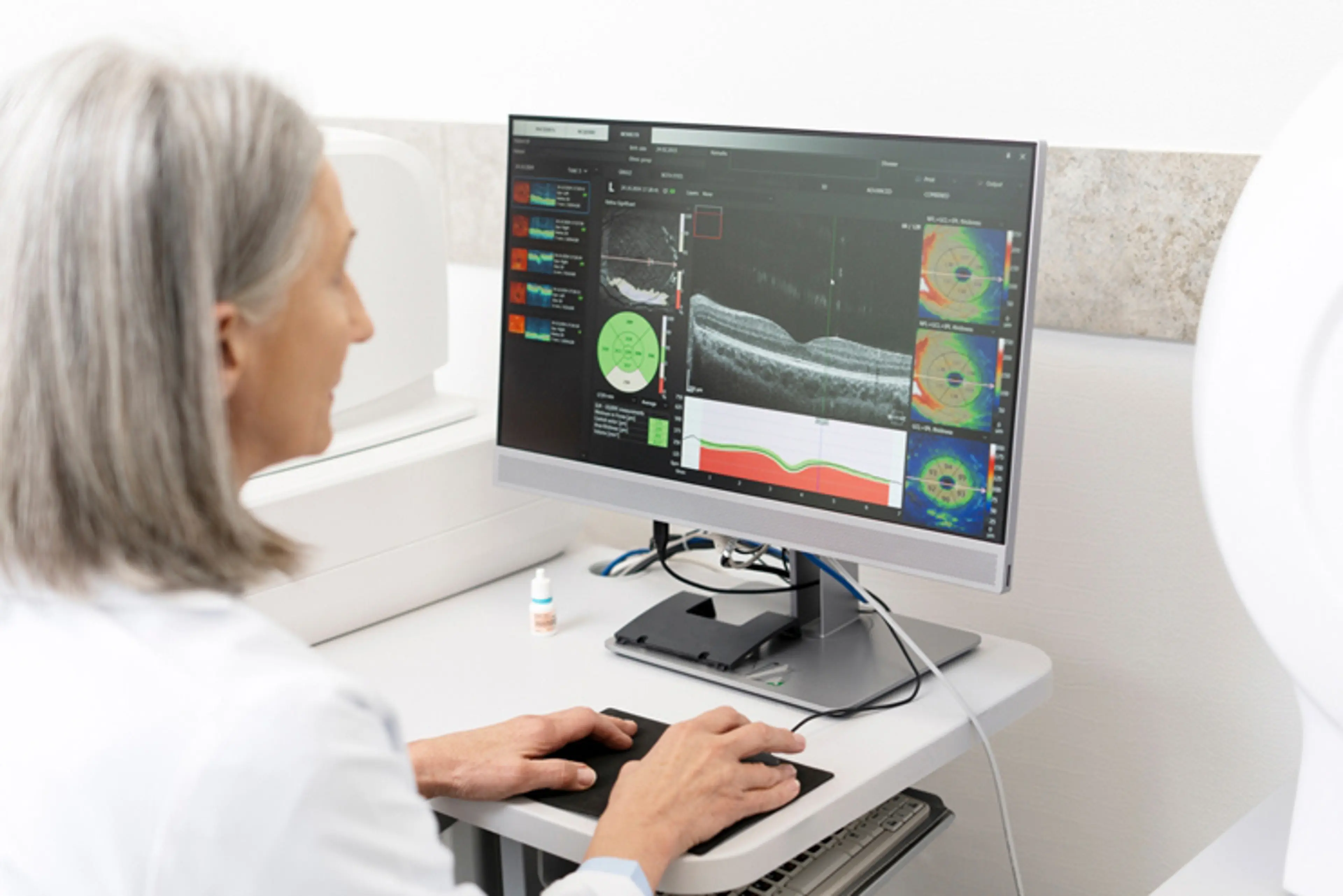
Optical Coherence Tomography (OCT): This imaging technology provides detailed, cross-sectional images of the retina, revealing structural changes that may indicate disease.
Fluorescein Angiography: A dye is injected into the bloodstream to highlight blood flow in the retina, helping doctors identify blockages or abnormal blood vessels.
Fundus Photography: High-resolution images are taken of the retina, allowing for ongoing monitoring of disease progression over time.
By incorporating these tools into routine exams, ophthalmologists can detect issues early and create personalized treatment plans to halt or slow disease progression.
Treatment Options for Retinal Diseases
treatment-options-for-retinal-diseasesTreatment for retinal diseases depends on the specific condition and its severity. Some treatments aim to slow disease progression, while others can restore or preserve vision. Current treatment options include:
Anti-VEGF Injections: Anti-vascular endothelial growth factor (VEGF) injections have revolutionized the treatment of AMD and diabetic retinopathy. These injections help reduce swelling, slow abnormal blood vessel growth, and improve vision in many patients.
Laser Therapy: Laser treatments are used to seal leaking blood vessels, reduce swelling, or prevent further retinal damage. This is often effective in cases of diabetic retinopathy and retinal vein occlusion.
Surgical Procedures: For more severe cases, such as retinal detachment, surgery is often necessary. Procedures like vitrectomy or scleral buckling can restore the retina's position and prevent permanent vision loss.
Cutting-edge treatments, such as gene therapy and sustained-release drug implants, are also showing promise in clinical trials. These innovative therapies could provide long-term solutions for chronic retinal conditions and further improve outcomes for patients.
Advances in Retinal Disease Treatment
advances-in-retinal-disease-treatmentRecent advancements in retinal disease treatments are helping patients achieve better outcomes than ever before. Some of the most exciting developments include:
Minimally Invasive Surgery: New surgical techniques have made procedures like vitrectomy safer, with faster recovery times and less discomfort.
Improved Imaging: Enhanced OCT and fluorescein angiography have allowed for earlier detection of retinal diseases, leading to more effective treatments and better prognosis.
Gene Therapy: Research into gene therapy aims to correct genetic defects that cause retinal diseases, potentially offering long-term or permanent solutions for conditions like retinitis pigmentosa.
At leading clinics, these technologies and treatments are applied to create individualized care plans, ensuring each patient receives the best possible treatment.
The Role of Jryn Eye Clinic in Retinal Disease Treatment
the-role-of-jryn-eye-clinic-in-retinal-disease-treatmentWhy Jryn Eye Clinic is a Leading Choice for Retinal Disease Treatment
why-jryn-eye-clinic-is-a-leading-choice-for-retinal-disease-treatment
Jryn Eye Clinic is recognized as a top center for retinal disease treatment in Busan, Korea. With over 20 years of experience, the clinic excels in advanced retinal care and vision preservation. Their team of expert ophthalmologists, led by
Dr. Han Sang Yeop, specializes in complex conditions such as diabetic retinopathy, age-related macular degeneration (AMD), and retinal detachment. By utilizing cutting-edge technology and a patient-focused approach, Jryn Eye Clinic offers personalized care tailored to each individual’s needs.
Treatment Plans at Jryn Eye Clinic
treatment-plans-at-jryn-eye-clinicThe clinic takes a personalized approach to treatment, developing individualized plans based on thorough consultations and advanced diagnostic tools. Jryn Eye Clinic’s expertise in managing complex retinal diseases, such as diabetic retinopathy and AMD, ensures patients receive the most effective treatments. From laser therapy to intravitreal injections and surgical options, every plan is designed to preserve vision and slow disease progression.
Advanced Retinal Care Equipment at Jryn Eye Clinic
advanced-retinal-care-equipment-at-jryn-eye-clinicJryn Eye Clinic utilizes state-of-the-art equipment for precise diagnostics and treatments. Their OCT (Optical Coherence Tomography) and retinal imaging technology allow specialists to detect and monitor conditions like macular edema and retinal vein occlusion. For treatment, the clinic offers advanced laser therapies and intravitreal injections to manage diseases like diabetic retinopathy and macular degeneration. With a focus on minimally invasive techniques and cutting-edge technology, the clinic ensures optimal care and better outcomes for retinal patients.
Conclusion: Protecting Your Vision with Early Action
conclusion:-protecting-your-vision-with-early-actionRetinal diseases can severely impact vision, but early detection and treatment can prevent long-term damage. By recognizing early symptoms, undergoing regular eye exams, and seeking prompt care, you can preserve your vision for the years to come. When choosing an eye specialist, ensure they are equipped with the latest diagnostic tools and have a track record of successful treatments.
Retinal diseases are treatable, and with the right intervention, you can maintain your quality of life and safeguard your vision for the future.