Home / Articles
PRP Eye Treatment: Breakthrough in Eye Health Recovery
Home / Articles
PRP Eye Treatment: Breakthrough in Eye Health Recovery
Platelet-Rich Plasma (PRP) therapy has emerged as a game-changer in ophthalmology, offering new hope for patients suffering from persistent eye conditions. This innovative treatment utilizes the body's own healing power to address issues such as chronic dry eyes, ocular inflammation, and post-surgical recovery. By concentrating platelets and growth factors from a small sample of your own blood, PRP therapy stimulates tissue regeneration and accelerates healing at a cellular level. This personalized, natural approach has grown in popularity worldwide, with many patients experiencing significant improvements.
But what exactly is PRP, and how does it work? In this article, we will break down the science behind PRP eye therapy, discuss its effectiveness for various conditions, explore the treatment process, and highlight the reasons why Jryn Eye Clinic in Busan, Korea, is a leading center for PRP eye therapy.
Platelet-Rich Plasma is a concentrated solution derived from a patient's own blood, rich in platelets—tiny cells that play a crucial role in healing. These platelets release growth factors and cytokines, which are essential for tissue repair and regeneration. In the case of PRP therapy, these growth factors are isolated and concentrated to levels much higher than normal blood, offering a more powerful regenerative effect.
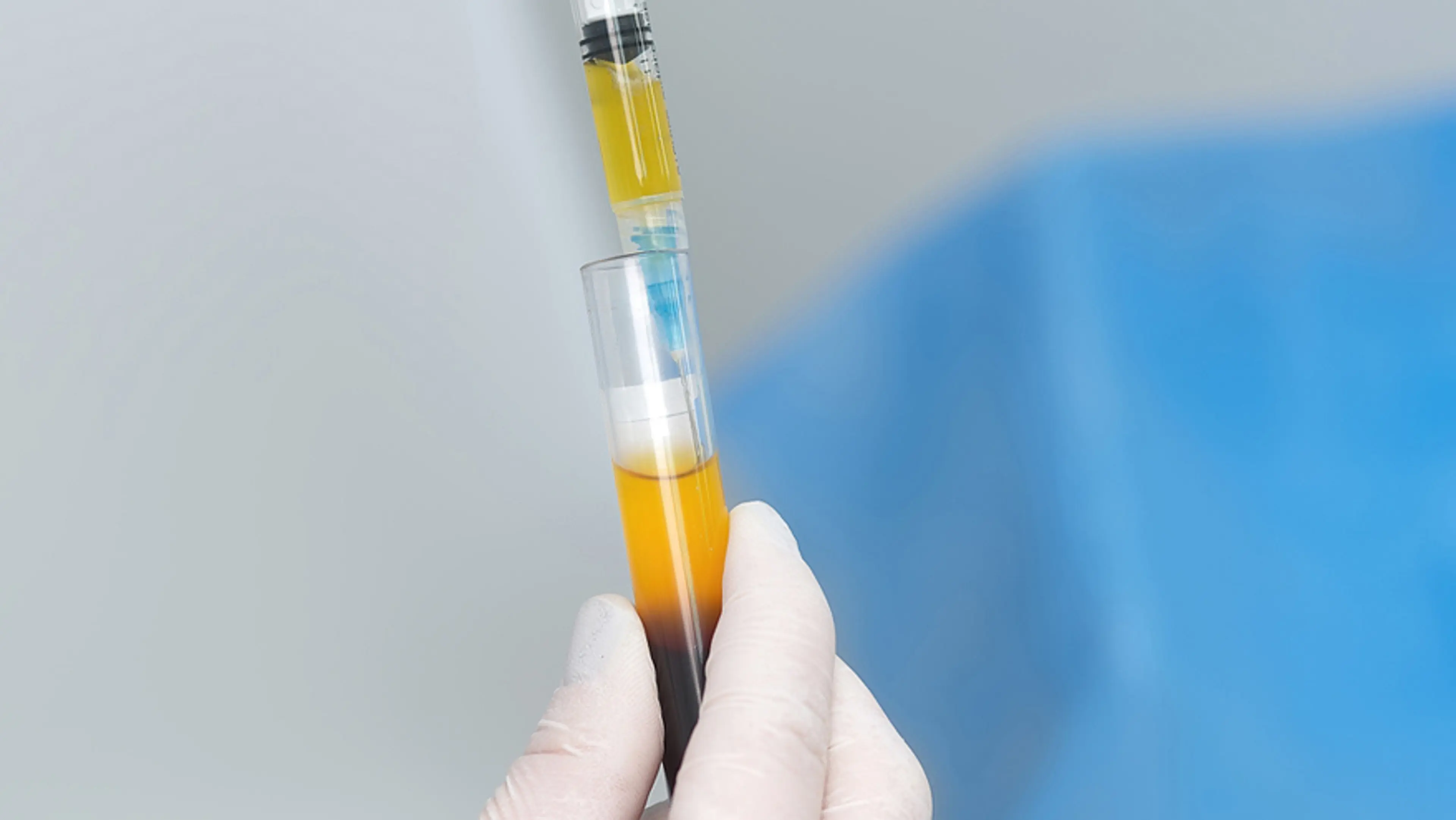
To create PRP, a small blood sample is taken and processed in a centrifuge, which separates the blood into layers. The platelets, containing growth factors like platelet-derived growth factor (PDGF), transforming growth factor-beta (TGF-β), and epidermal growth factor (EGF), are then isolated and prepared for use. Because PRP is autologous, sourced directly from the patient’s own blood, the risk of allergic reactions or infections is significantly reduced.
The eye's surface, including the cornea and conjunctiva, requires a delicate balance to maintain clear vision and comfort. When these tissues are damaged or inflamed, the result can be symptoms like dryness, irritation, and blurred vision. PRP therapy helps by delivering growth factors directly to the damaged areas, accelerating the body’s natural repair processes.
PRP works by binding to receptors on the corneal cells, promoting cell growth, and speeding up the healing of wounds. Additionally, it helps reduce inflammation by balancing the production of pro-inflammatory cytokines, which is key to reducing redness and swelling.
PRP therapy can be administered in several ways: as eye drops, which are typically used for surface-level conditions like dry eye syndrome, or through injections around the eye for deeper tissue repair, such as after surgery or trauma.
PRP therapy has shown promising results in treating a variety of eye conditions:
Emerging research suggests that PRP’s therapeutic applications in ophthalmology are continuing to expand, offering new options for treating even complex or refractory conditions.
PRP treatment begins with a simple procedure: a blood sample (usually 10 to 20 milliliters) is taken from the patient’s arm. This blood is then spun in a centrifuge to separate the platelets from the other components. The resulting PRP solution, rich in growth factors, is then applied to the patient’s eye area, either as eye drops or injections, depending on the severity of the condition.
The preparation and application process typically take less than an hour, and the procedure is done on an outpatient basis. For most patients, several sessions are required to maintain the therapeutic effects, and follow-up visits help ensure progress is on track.
While treatment outcomes can vary depending on the individual, many patients report substantial improvements in their overall quality of life, often experiencing a reduction in dependence on artificial tears and other medications.
One of the major advantages of PRP therapy is its safety profile. Since the treatment uses the patient’s own blood, the risk of allergic reactions or infection is minimal. Minor side effects, such as temporary redness or swelling, are typically mild and resolve quickly.
PRP therapy has a smooth recovery process, with many patients experiencing noticeable improvements within weeks of their first treatment. Dry eye sufferers often report feeling more comfortable with less dryness and irritation. The full benefits of PRP are usually realized within 2 to 3 months, though recovery times may vary.
Regular follow-up appointments help assess progress and adjust the treatment plan as needed. Most patients are able to resume normal activities shortly after treatment, making PRP therapy an attractive option for those seeking a non-invasive, effective solution for chronic eye conditions.
The field of PRP therapy is rapidly evolving, with ongoing advancements in PRP preparation and delivery techniques. New innovations, such as sustained-release formulations and bioengineered scaffolds, are being developed to enhance the regenerative effects of PRP. Combining PRP with other therapies, such as stem cells or amniotic membrane extracts, shows promise in treating complex conditions more effectively.
The clinic’s commitment to patient-centered care includes multilingual consultations and a focus on clear communication throughout the treatment journey. Patients at Jryn Eye Clinic benefit from advanced diagnostics, personalized treatment plans, and an exceptional track record of successful PRP procedures.
PRP eye therapy is not just a passing trend—it represents a breakthrough in regenerative medicine that offers lasting relief for patients suffering from chronic eye conditions. By leveraging the body’s natural healing abilities, PRP promotes faster recovery, reduces inflammation, and enhances eye health in a way that traditional treatments often cannot. With its growing body of research, outstanding safety profile, and ability to treat a wide range of conditions, PRP is poised to become a cornerstone of modern ophthalmology.
Choosing Jryn Eye Clinic ensures access to the highest quality of care, guided by internationally recognized experts, and a commitment to innovative, patient-centered treatments. Whether you're dealing with dry eyes, post-surgical recovery, or ocular injury, PRP therapy may be the solution you've been looking for.