Home / Articles
Laser Treatment for Presbyopia: Effective Solutions for Vision in Your 50s
Home / Articles
Laser Treatment for Presbyopia: Effective Solutions for Vision in Your 50s
Have you ever found yourself squinting at your phone screen or holding reading material at arm’s length? If so, you might be experiencing presbyopia, a condition that affects nearly everyone as they get older. Around the age of 40 or 50, most people begin to notice that their ability to focus on close objects starts to decline. This is due to the natural aging process, which causes the eye's lens to lose flexibility.
Presbyopia can significantly interfere with daily tasks—whether it’s reading, working on a computer, or enjoying your favorite hobbies. While reading glasses can help, many people in their 50s are seeking permanent solutions to improve their vision. That’s where laser treatments come in.
Laser surgery has become a highly effective way to address presbyopia. By reshaping the cornea, the transparent outer layer of the eye, laser procedures can help restore your ability to focus on nearby objects. There are several types of laser treatments available for presbyopia, each with its benefits. The most common include:
Each of these techniques aims to reduce dependence on reading glasses, providing lasting relief from the frustrations of presbyopia. Choosing the right procedure depends on your eye health, lifestyle, and the severity of your presbyopia.
Laser surgery for presbyopia has been shown to deliver excellent results. In fact, many patients experience significant improvements in near vision, often eliminating their need for reading glasses or bifocals. Clinical studies indicate that these treatments can help restore sharp vision for daily activities, like reading, using digital devices, and cooking.
One of the key benefits of laser surgery is the relatively quick recovery. Patients often notice a significant improvement in their vision within just a few days after the procedure. Though full stabilization may take several weeks, most people find that laser treatments offer long-lasting results with minimal follow-up care.
While laser surgery may not fully eliminate the need for corrective eyewear in every case, it can drastically reduce the dependence on reading glasses. Additionally, the precision of modern laser technology has made these treatments safer and more effective than ever before.
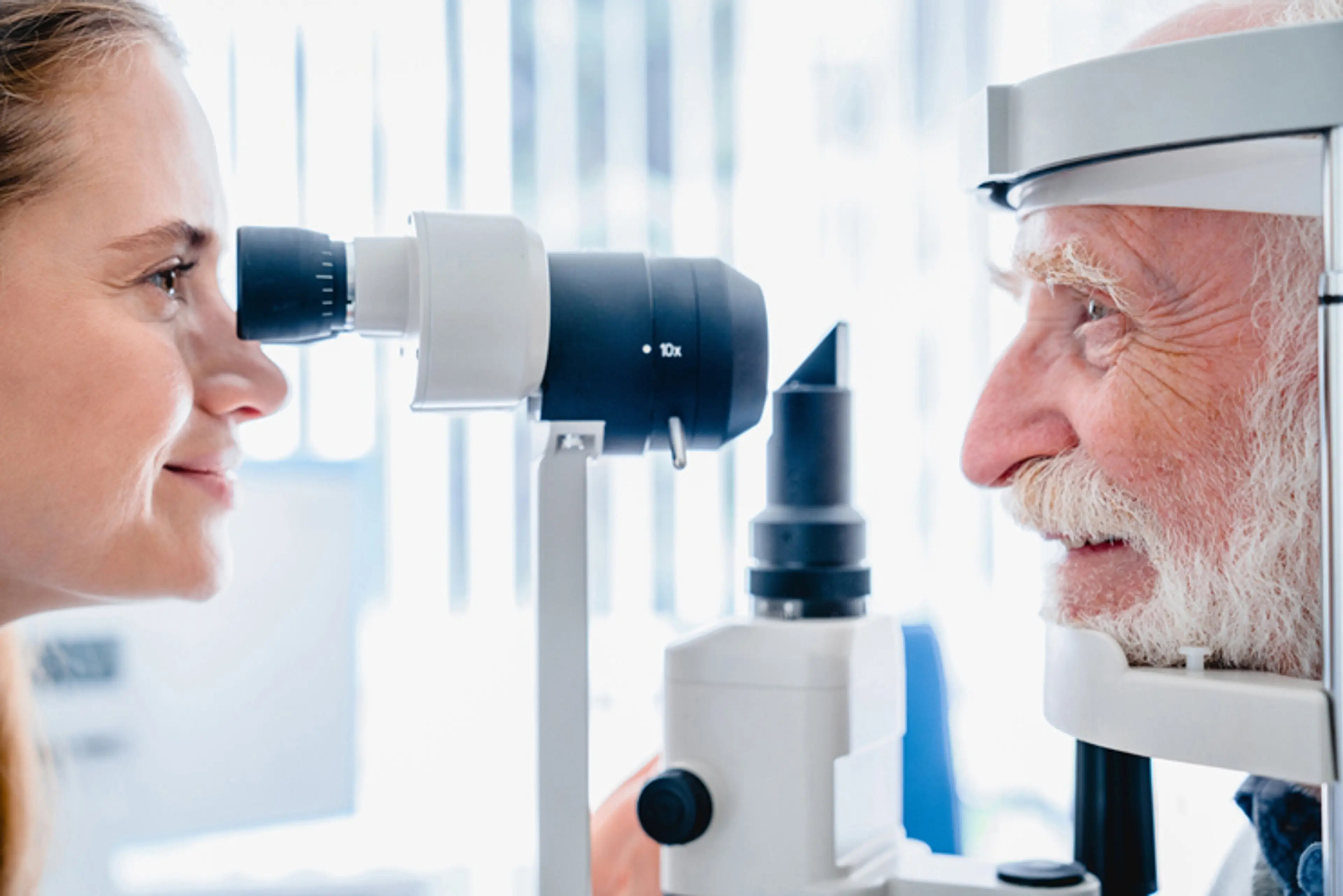
A detailed eye exam will assess factors like corneal thickness, eye health, and any underlying conditions that could affect your vision. For example, individuals with dry eyes, cataracts, or severe nearsightedness may require a different treatment approach. An experienced ophthalmologist can help guide you through this decision-making process and recommend the most appropriate solution for your needs.
At reputable centers, safety protocols are rigorous, and your surgeon will discuss potential risks and realistic expectations before proceeding with any surgery.
Recovery after laser surgery for presbyopia is typically quick. Many patients experience noticeable improvements in near vision within a few days. During the initial recovery period, you may experience mild discomfort, light sensitivity, or dryness, but these symptoms usually subside quickly with the help of prescribed eye drops and proper aftercare.
You’ll need to avoid rubbing your eyes, swimming, or engaging in strenuous activities during the first few weeks to ensure proper healing. Regular follow-up visits with your ophthalmologist will help ensure that your recovery is progressing as expected.
For many, the convenience of laser surgery—along with the rapid recovery—makes it an appealing option for restoring clear vision.
Emerging research is also exploring the combination of laser treatments with other procedures, such as corneal inlays or intraocular lens implants, to treat more advanced cases of presbyopia. These innovations open up even more possibilities for patients seeking effective long-term solutions for their vision.
Patient stories provide a glimpse into the transformative power of laser surgery. For example, Mrs. Kim, 54, had relied on reading glasses for years. After undergoing LASIK surgery, she experienced a remarkable improvement in her ability to read, work on her computer, and enjoy everyday activities without glasses. “It felt like a whole new world,” she shared. “I never thought I’d be able to read without glasses again.”
Similarly, Mr. Lee, 58, underwent SMILE surgery to correct his presbyopia. “I was tired of juggling glasses all the time,” he said. “After the surgery, I could read, cook, and even go for long walks without worrying about my glasses slipping off or getting foggy.”
These personal experiences highlight the life-changing benefits of laser surgery, showing how it can significantly improve the quality of life for people in their 50s.
Our medical team includes internationally renowned ophthalmologists with expertise in treating presbyopia and other complex vision issues. Dr. Han Sang Yeop, the founder of Jryn Eye Clinic, is not only a board-certified ophthalmologist but also a recognized global expert in vision correction. He has contributed to numerous international seminars, including those hosted by Johnson & Johnson, and his work is respected across the ophthalmic community. You can rest assured that you are in the hands of skilled professionals who have decades of experience and a commitment to excellence.
Laser treatments offer a promising, long-term solution for those experiencing presbyopia. If you’re tired of relying on reading glasses or bifocals, laser surgery could restore your vision and give you back the freedom to enjoy daily activities without visual aids.
However, it's important to consult with an experienced ophthalmologist to determine if laser surgery is the best option for you. By evaluating your specific eye health and lifestyle, a skilled professional can guide you through the process and ensure you get the best possible results.