Home / Articles
Laser Multifocal Cataract Surgery: Clear Vision, No Glasses
Home / Articles
Laser Multifocal Cataract Surgery: Clear Vision, No Glasses
Laser-assisted cataract surgery is a modern, advanced treatment that uses precision laser technology to remove cataracts. Unlike traditional cataract surgery, which involves a scalpel, the laser is used to break up the clouded lens, providing greater accuracy. This approach uses a femtosecond laser, such as the VisuMax femtosecond laser, to create precise incisions, resulting in faster recovery and a lower risk of complications.
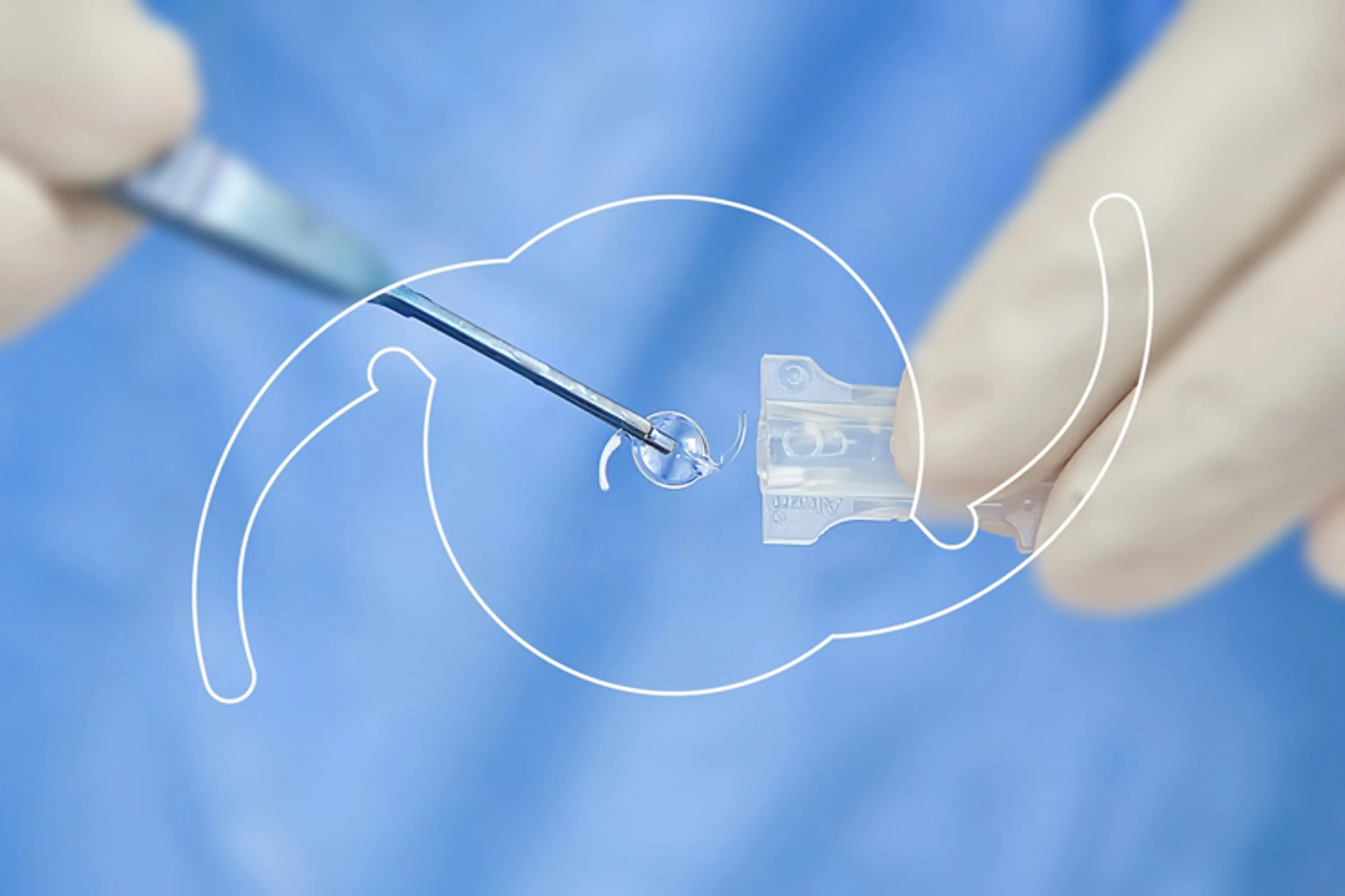
Multifocal lenses are a crucial part of this procedure. These lenses allow patients to see clearly at multiple distances—near, intermediate, and far. By offering a solution to those who want to avoid glasses or contact lenses post-surgery, multifocal lenses aim to improve daily vision for people suffering from cataracts.
The main benefit of multifocal cataract surgery is the ability to see clearly at various distances without relying on glasses. While traditional cataract surgery typically uses a monofocal lens, which focuses only on one distance, multifocal lenses provide clear vision for everything from reading and using a computer to driving and enjoying outdoor activities.
These lenses are designed for people who want to minimize their dependence on glasses. They can help with presbyopia (age-related difficulty with close-up vision), and improve overall vision for daily tasks, offering patients greater freedom and quality of life.
One of the most significant advantages of laser multifocal cataract surgery is that it eliminates or reduces the need for glasses. The precision offered by laser technology allows for a more accurate procedure and faster recovery times. Patients benefit from fewer complications, such as infection or incorrect lens placement, compared to traditional surgery.
The multifocal lenses themselves provide a more natural visual experience, allowing patients to focus at multiple distances. This versatility sets them apart from older monofocal lenses, which are more limited in terms of vision options.
Laser cataract surgery is a highly efficient procedure, typically taking less than 30 minutes to complete. Here’s how it works:
However, individuals with severe astigmatism or other eye conditions may need additional evaluations to determine if multifocal lenses are right for them. Consulting with an experienced ophthalmologist will ensure the right decision is made based on your specific eye health and lifestyle needs.
Laser cataract surgery boasts a quick recovery period. Due to the precise nature of the procedure, patients typically experience less discomfort and heal faster than with traditional methods.
Most people can return to their daily activities within 1-2 days, though full recovery may take a few weeks. During this time, it’s important to follow post-operative care instructions carefully and attend follow-up appointments to ensure the eye is healing correctly.
As with any surgery, laser multifocal cataract surgery carries some risks, though they are minimal. Common risks include infection, swelling, or glare around lights. However, these issues are generally temporary and can be managed with the guidance of your surgeon.
Some patients may also experience difficulty adjusting to the multifocal lenses initially, experiencing visual disturbances like halos or glare, especially at night. These effects usually improve over time, but it’s essential to discuss any concerns with your ophthalmologist beforehand.
Laser cataract surgery offers numerous advantages over traditional methods, particularly in terms of precision. While both procedures aim to remove the cataract and restore vision, the laser procedure is more accurate and causes less trauma to the eye, leading to faster healing.
The addition of multifocal lenses enhances both options, but laser surgery allows for more precise lens placement, reducing the likelihood of complications and improving overall outcomes.
The cost of laser multifocal cataract surgery can vary based on factors such as location, clinic expertise, and technology used. While it is generally more expensive than traditional cataract surgery, many patients find the investment worthwhile due to the enhanced vision and reduced dependence on glasses.
While insurance may cover some costs, it may not fully cover multifocal lenses, which tend to be more expensive than standard monofocal lenses. It’s recommended to check with your insurance provider and discuss payment options with your surgeon.
Selecting a trusted clinic is crucial to achieving the best possible results from your surgery. Look for clinics with experienced surgeons, state-of-the-art technology, and excellent patient reviews.
For many patients, laser multifocal cataract surgery significantly enhances their quality of life. By improving vision at various distances, it allows for greater independence from glasses or contacts. Whether you’re reading, driving, or enjoying hobbies, the surgery can help you experience life more fully.
Patients who have struggled with presbyopia or long-term glasses use often find that this surgery offers a transformative change in how they experience the world.
While laser multifocal cataract surgery can drastically improve your vision, it’s important to set realistic expectations. Most patients experience substantial improvement in vision, although some may still require reading glasses for very fine print. Visual disturbances, such as glare or halos, are common but usually subside with time.
Your surgeon will work with you to set expectations and guide you through the recovery process to ensure you achieve the best possible outcome.
Laser multifocal cataract surgery offers a transformative solution for those suffering from cataracts and age-related vision issues. By using advanced laser technology, this procedure enhances precision, reduces recovery times, and minimizes complications compared to traditional methods. With multifocal lenses, patients can enjoy clear vision at multiple distances without the need for glasses, significantly improving their daily life.