Home / Articles
IPL Therapy for Eye Inflammation: Treatment & Benefits
Home / Articles
IPL Therapy for Eye Inflammation: Treatment & Benefits
Ocular surface inflammation, or eye inflammation, is a widespread concern affecting millions globally. This condition arises when the tissues surrounding or inside the eye become irritated or swollen due to various causes such as infections, allergies, or underlying eye diseases. Symptoms can vary but commonly include redness, discomfort, dryness, and even blurred vision. These symptoms can hinder daily activities like reading, driving, or using digital devices.
If left untreated, chronic eye inflammation can lead to severe complications such as corneal damage, worsening vision, or persistent discomfort. As a result, finding effective treatments is vital to restore eye health and improve the overall quality of life. One innovative treatment that has garnered attention recently is Intense Pulsed Light (IPL) therapy.
Intense Pulsed Light (IPL) therapy utilizes broad-spectrum light pulses to treat various skin and eye conditions. Although initially designed for dermatological conditions like rosacea, acne, and pigmentation, IPL has found an effective application in ophthalmology, particularly for eye inflammation and surface diseases.
Unlike lasers, which emit light at a single wavelength, IPL delivers multiple wavelengths in rapid pulses. This multi-wavelength approach enables it to target blood vessels, pigmentation, and inflammation more accurately without damaging surrounding tissue. The energy from the light pulses is absorbed by abnormal blood vessels or pigmented cells, converting into heat, which reduces inflammation and promotes healing.
By applying controlled light pulses to the eyelids, IPL therapy heats the meibomian glands, helping to melt thickened secretions and improve oil flow into the tear film. This reduces tear evaporation and irritation, providing significant relief. IPL also lowers the bacterial load on eyelid margins, further reducing inflammation.
Another aspect of IPL’s mechanism involves the treatment of abnormal blood vessels. IPL pulses coagulate these vessels, which are responsible for redness and the release of inflammatory chemicals. Reducing these blood vessels helps alleviate swelling and discomfort, improving overall eye health.
Undergoing IPL therapy for eye inflammation is a quick and safe procedure typically performed by experienced ophthalmologists or trained eye care specialists. The treatment begins with a comprehensive eye examination to assess the severity and specific characteristics of the inflammation, including evaluating the health of the meibomian glands and tear film stability.
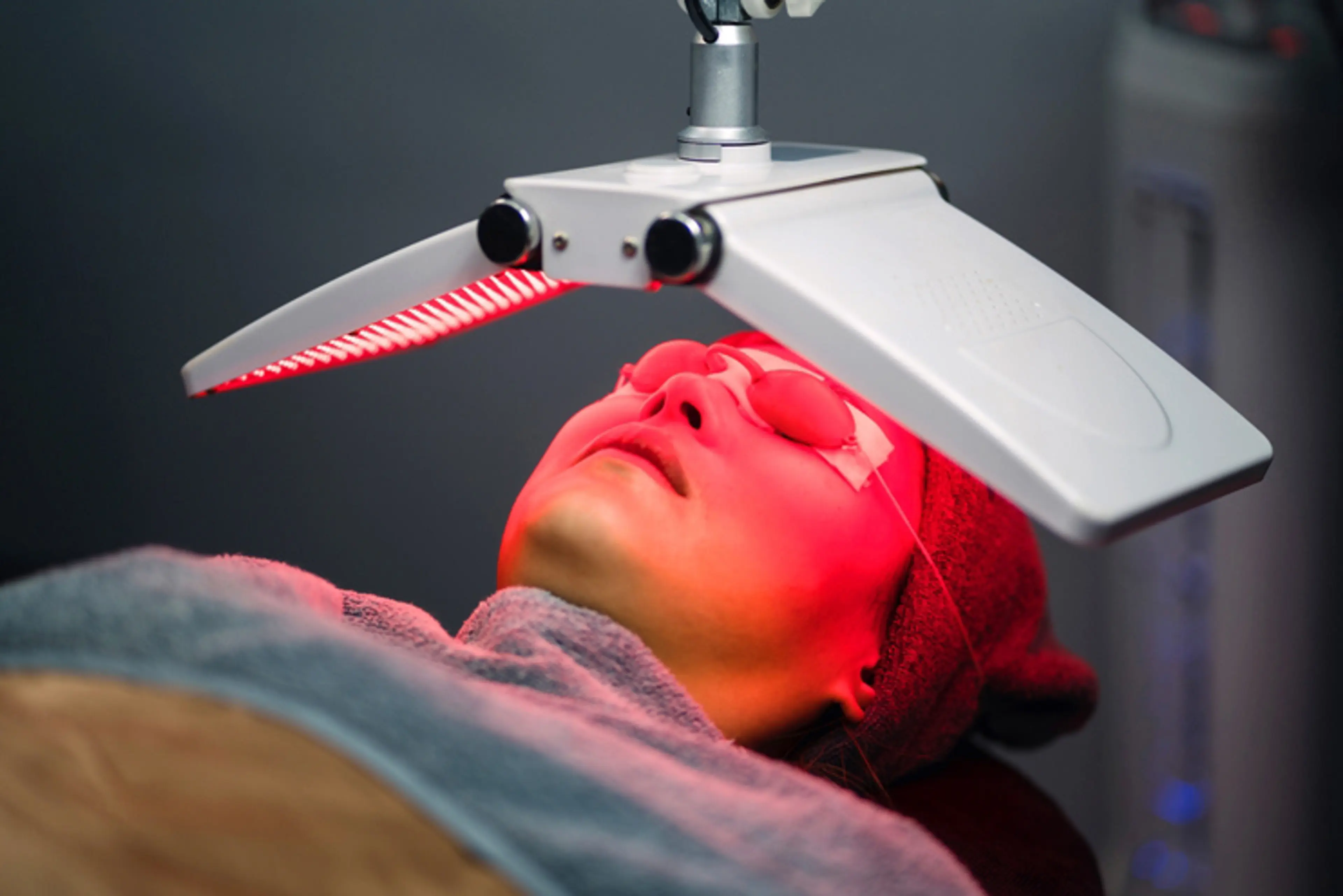
Once approved for treatment, patients will be comfortably seated, with protective eye shields or goggles placed over their eyes to prevent light exposure. A cooling gel is applied to the skin around the eyelids, aiding light transmission, cooling the skin, and protecting the surrounding tissue.
The ophthalmologist uses a handheld IPL device to deliver controlled light pulses to the treatment areas. Each pulse feels like a mild snap or warmth, which most patients tolerate well. A typical IPL session lasts about 15 to 30 minutes, depending on the area treated. As IPL is non-invasive, no anesthesia is required, and patients can resume normal activities immediately.
Several sessions, usually between three to six, spaced a few weeks apart, are typically recommended for optimal results. Regular follow-up visits allow clinicians to adjust treatment parameters to ensure the best outcome.
IPL therapy provides numerous benefits for those suffering from chronic eye inflammation, particularly those with MGD or dry eye syndrome. Notably, it offers sustained relief from common symptoms like irritation, dryness, and the burning sensations associated with inflamed eyes. Many patients experience noticeable improvements after just the first or second session, with cumulative benefits occurring throughout the treatment series.
A critical therapeutic effect of IPL is its ability to restore meibomian gland function. By melting thickened secretions blocking the oil ducts, IPL helps the glands resume normal oil secretion, preventing tear evaporation and subsequent inflammation. Patients often report feeling less eye fatigue, more comfort, and reduced sensitivity to environmental factors like wind or screen exposure.
Additionally, IPL helps reduce bacterial overgrowth on the eyelids, which contributes to chronic inflammation and infection. By addressing both visible symptoms and the underlying causes of inflammation, IPL promotes healthier ocular surface conditions.
Patients often find that after IPL therapy, they reduce their reliance on artificial tears, steroid drops, and antibiotics, leading to fewer side effects and a better quality of life.
IPL therapy is safe when performed by skilled ophthalmologists who follow proper protocols. Common side effects, such as slight redness or swelling around the treated area, are usually mild and temporary. These effects typically resolve within a few hours to days.
Safety measures like eye protection and controlled light intensity minimize risks. However, IPL may not be suitable for individuals with certain skin types, active infections, or photosensitive conditions. It’s essential to discuss your medical history with your eye care provider before beginning treatment.
Compared to traditional treatments like steroids or antibiotics, IPL carries fewer systemic risks, making it a favorable option for those seeking non-pharmacological solutions for eye inflammation.
Many patients who have undergone IPL therapy for eye inflammation report significant improvements. Jane, a 52-year-old with chronic dry eye, shared that after three IPL sessions, her symptoms of redness and irritation decreased, reducing her reliance on artificial tears.
Another patient, Michael, experienced relief from persistent eye fatigue and burning after years of ineffective treatments. He emphasized that IPL not only reduced symptoms but also helped him regain confidence in professional and social settings.
These real-life experiences underline IPL’s positive impact on daily life, providing relief from chronic discomfort and restoring vision clarity.
Intense Pulsed Light (IPL) therapy is revolutionizing the treatment of eye inflammation, particularly for conditions like meibomian gland dysfunction and dry eye syndrome. By targeting the underlying causes of inflammation and improving gland function, IPL offers a non-invasive, safe, and effective treatment option to restore eye comfort and health.
Supported by growing scientific evidence and positive patient outcomes, IPL is becoming a trusted choice in modern ophthalmology. For those suffering from chronic eye inflammation, IPL therapy may provide the relief you need to restore clarity and comfort. Speak with an experienced specialist to see if IPL is right for you.