Home / Articles
How Hydration Affects Eye Surgery Recovery
Home / Articles
How Hydration Affects Eye Surgery Recovery
Most patients preparing for eye surgery spend weeks researching the procedure itself. They want to know which laser is safest, how long recovery will take, or what kind of vision they’ll wake up to the next morning. These are important questions—but often, the smaller everyday choices after surgery make the biggest difference. One of the most overlooked is something as ordinary as a glass of water.
At Jryn Eye Clinic in Busanjin-gu, Busan, we see hundreds of patients each year undergoing advanced procedures such as SMILE LASIK, EVO ICL implantation, and cataract surgery. Some patients glide through recovery with minimal discomfort, while others need more support for dryness, blurred vision, or slow healing. Surprisingly often, hydration plays a quiet but powerful role in how smoothly this recovery unfolds.
It may sound too simple—can drinking water really affect the eyes? But as ophthalmologists, we know that the human body is interconnected. The eyes are delicate organs, and their ability to heal depends not just on surgical precision, but also on the body’s systemic balance. In this article, we’ll explain why hydration matters, how it influences the eye’s healing process, and what practical steps patients can take before and after surgery.
Your eyes may look small, but they’re among the most water-dependent organs in your body. Nearly every part of the visual system relies on a steady balance of fluids to function and heal properly. Here’s why:
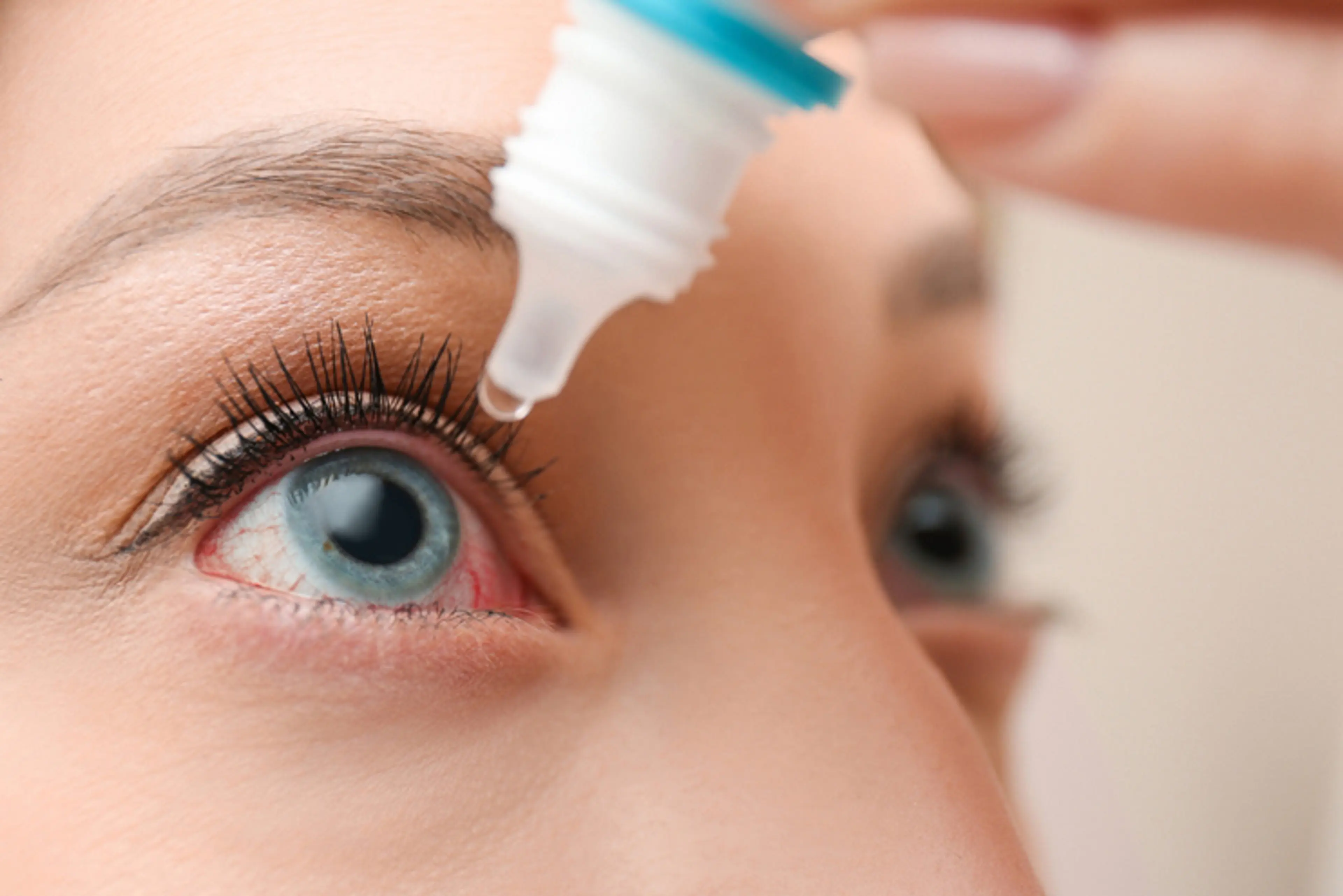
The outer surface of the eye is coated with a tear film that is only a few microns thick, yet absolutely essential for clear vision. This film is made up of three layers—oil, water, and mucin. The middle, watery layer (the aqueous layer) makes up the bulk of the tear film. Without enough hydration:
Tears evaporate too quickly.
Vision becomes unstable, leading to intermittent blurriness.
The cornea is more vulnerable to irritation, infection, and delayed healing.
When the body is dehydrated, it can’t supply this layer effectively, and the eye’s first line of defense weakens.
Unlike most tissues, the cornea has no blood vessels—it stays transparent to allow light to pass through. Instead, it gets its oxygen from the tear film and aqueous humor (the fluid inside the eye). A well-hydrated body ensures these fluids circulate properly, delivering nutrients and flushing out waste products that accumulate during healing after surgery.
Dehydration can increase inflammatory molecules in the body, which show up as redness, burning, or a gritty sensation in the eyes. Proper hydration balances electrolytes, stabilizing the ocular surface and keeping post-surgical irritation under control.
Even inside the eye, water is key. The crystalline lens is composed of over 60% water, and the vitreous humor (the gel that fills the back of the eye) is over 98% water. If hydration levels fluctuate, so can the eye’s optical performance, sometimes leading to temporary blurring or strain.
Dry eye is among the most common temporary complaints after refractive and cataract surgery. Even with modern advances such as SMILE LASIK, which preserves corneal nerves more effectively than older LASIK methods, some degree of dryness is expected.
Why? Because corneal nerves temporarily lose sensitivity after laser treatment, reducing natural tear production. If you add dehydration to this picture, the result is a tear film that struggles to protect the healing cornea.
Hydration helps in three specific ways:
Patients often ask, “Why do my eyes blur suddenly during recovery?” In many cases, the answer is a combination of dryness and dehydration, not a surgical complication.
Although surgery takes place on the eye, the healing process involves the entire body. Cellular repair, collagen remodeling, and inflammation control are systemic processes influenced by hydration.
To be honest, many patients underestimate how much the “rest of the body” matters for eye health. But in the same way an athlete hydrates to perform, a surgical patient hydrates to heal.
In Korea, health-conscious routines are common. Many people are diligent about regular check-ups and diet, but water intake is an interesting cultural variable. Some patients drink large amounts of coffee or tea daily, while actual water consumption may be lower. Air-conditioned offices and heated apartments—common in Busan—also create dry indoor environments that accelerate tear evaporation.
At Jryn Eye Clinic, we sometimes remind patients that hydration isn’t just about quantity, but consistency. A patient who drinks a liter of water all at once isn’t as supported as someone who sips steadily throughout the day. In recovery, balance matters more than excess.
If you are preparing for LASIK, cataract, or presbyopia surgery, here are some practical strategies we recommend:
One patient in her mid-40s came to us for presbyopia-correcting lens surgery. She followed every instruction for eye drops but struggled with fluctuating vision in the first two weeks. When we reviewed her lifestyle, it turned out she was drinking mostly coffee and very little water. After adjusting her hydration and adding electrolyte-rich fluids, her comfort improved dramatically within days.
Another young patient recovering from SMILE LASIK noticed persistent dryness. He was active in the gym but never replenished fluids properly after exercise. Once hydration was addressed, his dry eye complaints eased, and his vision stabilized more quickly.
These examples remind us that while technology and surgical skill are critical, simple daily choices often make recovery smoother.
If you’ve been drinking enough water yet still struggle with eye dryness or blurred vision weeks after surgery, something else may be happening. Possible factors include:
In these cases, advanced diagnostics at a specialized clinic are essential. At Jryn Eye Clinic, we use tear film analysis, meibography, and ocular surface staining to identify root causes and provide tailored treatment.
Recovery from eye surgery is a partnership. On one side, the surgeon provides precision, advanced technology, and safe techniques. On the other side, the patient provides daily care, rest, and lifestyle support. Hydration is one of the simplest yet most powerful contributions you can make to your own healing.
By keeping your body well-hydrated, you help stabilize your tear film, reduce dryness, and support the natural regenerative processes that restore clear vision.
If you’re preparing for SMILE LASIK, cataract surgery, or presbyopia treatment, remember that your recovery doesn’t depend on medical technology alone. Something as ordinary as a glass of water can become part of your healing journey.
At Jryn Eye Clinic in Busan, we believe every patient deserves not only excellent surgery, but also guidance on the everyday choices that make recovery smooth. If you’re considering vision correction, visit us for a consultation—and let’s create a care plan that supports your eyes from every angle.