Home / Articles
Foods That Help Maintain Eye Health After Surgery
Home / Articles
Foods That Help Maintain Eye Health After Surgery
Every surgical procedure creates a controlled injury—an intentional, precise step toward better vision. Even minimally invasive procedures like SMILE LASIK or EVO ICL involve tissue remodeling beneath the surface. And here’s something many people don’t think about: the eye regenerates rapidly, sometimes within hours, but the supporting cellular structures continue healing for weeks.
Your body rebuilds those tissues with what you feed it.
Nutrition after eye surgery isn’t about “superfoods.” It’s about consistency, hydration, and anti-inflammatory balance. Think of it like cleaning a foggy window—the clearer and calmer the environment inside your body, the smoother the outcome for your vision.
If you’ve lived in Korea long enough, you’ve probably heard someone say, “My eyes feel dry after staring at my phone all day.” After surgery, that dryness can feel slightly stronger because the corneal nerves, which help regulate tears, are temporarily recovering.
One thing we’ve seen repeatedly at our clinic is how patients who eat enough omega-3 fatty acids often report quicker stabilization of their tear film.
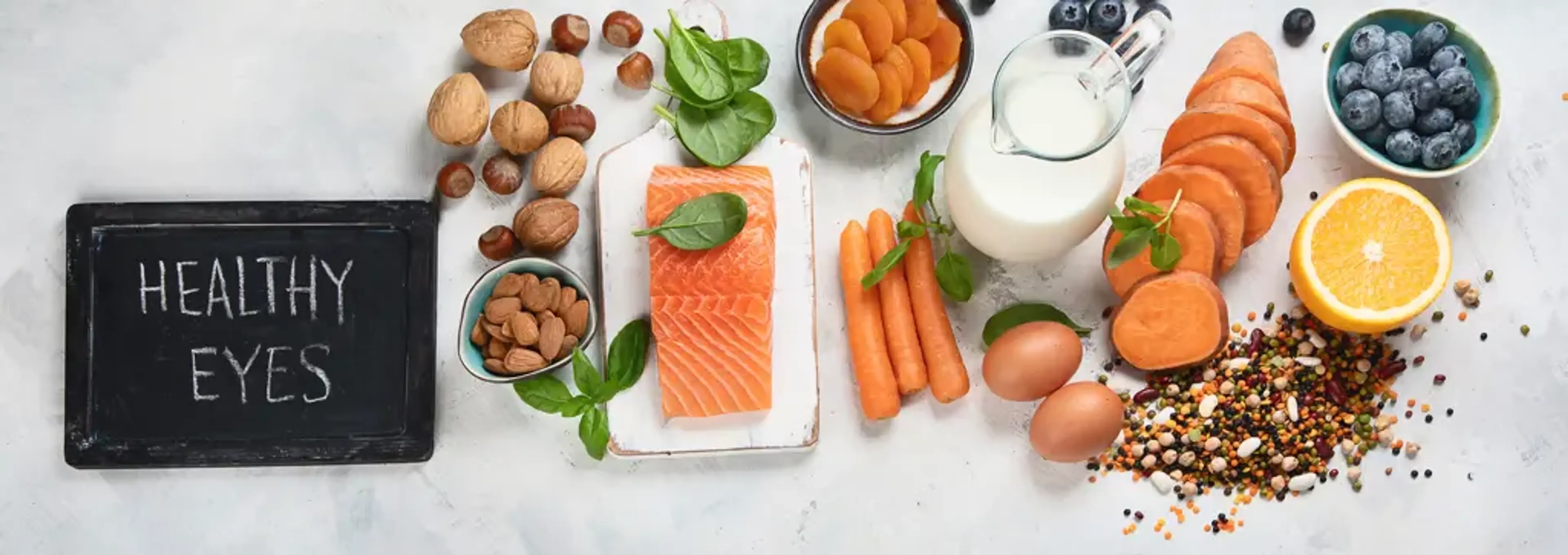
mackerel (고등어)
salmon (연어)
sardines
walnuts
perilla oil (들기름)
chia seeds
There’s something comforting about a simple grilled mackerel dish the week after surgery. It’s not just a Korean household staple—it provides fatty acids that help reduce inflammation in the ocular surface. Some clinics push supplements aggressively; we generally prefer food first, unless your diet can't support it.
What people often forget is that vitamin A doesn’t just help you see in the dark—it’s essential for maintaining the health of the cornea and the mucous layer of your tears.
After any refractive procedure, that front surface works overtime as it regenerates. Giving your body the building blocks it needs can make the process smoother.
carrots (당근)
sweet potatoes
spinach (시금치)
kale
egg yolks
Vitamin C is one of those nutrients everyone knows about but rarely takes seriously. Yet it’s vital for collagen formation, especially in corneal healing, which plays a big role in refractive surgery recovery.
One thing I often mention during consultations is that the eye has one of the highest concentrations of vitamin C in the body. After surgery, your body uses it more rapidly.
Easy sources you can add without thinking:
tangerines (제주 감귤)
red peppers
broccoli
strawberries
kiwi
If you’re wondering how much you need—don’t stress. Eating fresh fruits and vegetables once or twice a day is usually enough. Nature doesn’t require complicated measuring.
Patients rarely ask about zinc or selenium, but these minerals quietly support immune balance and cellular repair—exactly what the eye needs post-surgery.
oysters (a Busan specialty many patients love)
beef
pumpkin seeds
eggs
Brazil nuts (just one or two a day is plenty)
whole grains
For cataract patients in particular, these minerals help the retina adapt during the early phase when your brain is adjusting to new clarity.
A stable tear film depends heavily on your hydration level. Many people in Korea drink lots of coffee—which, to be honest, we all enjoy—but caffeine does have a mild dehydrating effect. You don’t have to quit, but pair each cup with water.
Patients who hydrate well often report:
smoother vision fluctuations
less dryness
faster comfort stabilization
Ice water, barley tea, and warm boricha are all excellent choices. Soups like miyeok-guk also help with hydration and minerals—many of our patients find them comforting during recovery.
Post-surgical inflammation is normal—even necessary—but excessive inflammation slows healing. Rather than focusing on “anti-inflammatory diets,” I encourage patients to choose a few calming foods consistently.
Helpful options include:
turmeric (강황) in small amounts
green tea
garlic
ginger
berries
One thing I don’t usually say outright—but I will here—is that ultra-processed salty snacks tend to make dryness feel worse. Your body becomes slightly dehydrated, and your tear film feels unstable. It’s okay to have them occasionally, but moderation helps.
Patients often ask: “Is there anything I shouldn’t eat?”
In most cases, the answer is simple: avoid anything that causes significant inflammation, bloating, or dryness for you personally. Everyone’s body is a little different.
But from the experience of watching thousands of people recover, here are gentle guidelines:
Keep spicy foods mild for a few days if they tend to dry you out.
Keep alcohol low during the first week—it dehydrates the eyes noticeably.
Keep heavy, salty foods (like very salty ramyeon broth) in moderation.
Not because they’re dangerous—but because comfort matters. Clear vision comes faster when the whole body feels balanced.
Here’s something I’ve never read on Google, but we see in clinic again and again:
Patients who eat regular, balanced meals—nothing fancy—tend to have more stable visual recovery than those who skip meals or rely mostly on convenience foods.
Healing eyes appreciate rhythm.
If you want a practical approach without overthinking:
A piece of fatty fish or tofu
A leafy-green side dish
A serving of fruit
Whole grains or sweet potato
Plenty of water or barley tea
This is the kind of meal that quietly supports the healing process—something your grandmother would approve of, and your eyes will, too.
Although every patient benefits from supportive foods, some groups should be especially mindful:
Individuals with dry eye syndrome (very common in Korea)
People in their 40s–60s recovering from presbyopia or cataract procedures
Patients with borderline metabolic conditions
Those who work long hours on screens
If your healing feels slower than expected, nutrition and hydration are often the simplest variables to adjust.
If you’re preparing for eye surgery, or you’re already in the healing stage and want clarity on what to eat, our team—led by Dr. Han Sang Yeop—is always here to guide you with personalized recommendations based on your unique vision, lifestyle, and recovery pattern.