Introduction:
introduction:LASIK (Laser-Assisted In Situ Keratomileusis) has given millions of people the freedom to enjoy clear vision without glasses or contact lenses. However, not everyone’s journey is seamless. While most patients achieve excellent results, others experience complications that affect their visual clarity, such as blurry vision, dry eyes, or more severe issues like corneal ectasia. These setbacks can lead to frustration and emotional distress, especially when the expectations set by the initial surgery aren’t met.
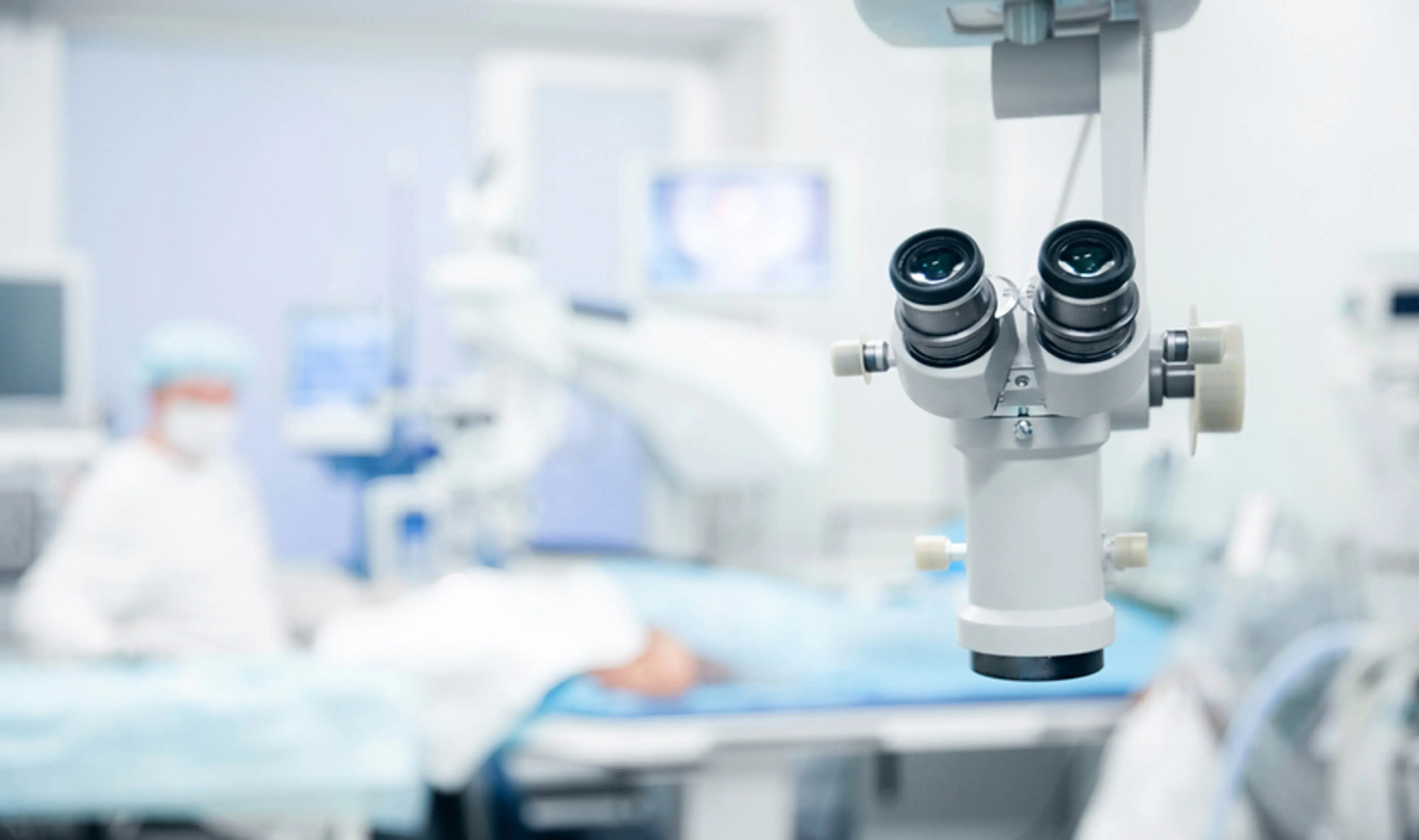
Fortunately, LASIK re-correction offers a second chance to restore vision and comfort. But the process isn't one-size-fits-all—there are different treatments designed to address specific complications. With advancements in diagnostic technology and surgical expertise, LASIK re-correction offers tailored solutions for patients seeking to reclaim their vision and confidence. This article dives into the causes of LASIK complications, the best re-correction options, and how to choose a clinic that provides a personalized and expert approach to vision restoration.
Understanding LASIK Complications:
understanding-lasik-complications:LASIK is widely regarded as a safe and effective procedure, but like any surgery, complications can occur. Issues can arise due to various factors, such as surgical errors, improper pre-surgical screening, or individual differences in how patients heal. The most common complications are categorized as either functional (visual issues) or structural (problems with the cornea or flap).
Common LASIK Complications:
common-lasik-complications:Undercorrection or Overcorrection: If the laser removes too little or too much corneal tissue, it can cause blurry vision or require further adjustment.
Dry Eyes: Temporary or persistent dryness can occur when corneal nerves are affected, disrupting tear production.
Night Vision Issues: Halos, glare, or starbursts around lights—especially in low-light conditions—can make night driving difficult.
Regression: Over time, some patients may experience a gradual decline in the clarity of their vision after LASIK.
Severe Complications:
severe-complications:Corneal Ectasia: A rare but serious condition in which the cornea bulges outward, similar to keratoconus, which may worsen and impair vision.
Epithelial Ingrowth: Surface cells may migrate under the flap, requiring surgical removal if they cause vision issues.
These complications, while relatively rare, underscore the importance of addressing them early to prevent long-term damage and preserve eye health.
Identifying Candidates for LASIK Re-Correction:
identifying-candidates-for-lasik-re-correction:Not every patient with LASIK complications is automatically a candidate for re-correction. A thorough evaluation is essential to determine whether re-surgery is possible and appropriate. The key to success lies in understanding the nature of the complication and the health of the cornea.
Criteria for LASIK Re-Correction Eligibility:
criteria-for-lasik-re-correction-eligibility:Stable Vision: Vision must remain stable for at least 3-6 months post-surgery before considering re-correction.
Adequate Corneal Thickness: For re-correction, there must be enough healthy corneal tissue remaining to safely perform another procedure.
Overall Eye Health: Eyes must be free of conditions like infection or inflammation that could interfere with healing.
Some patients may not be suitable candidates for a second LASIK procedure and might require alternative treatments like PRK (Photorefractive Keratectomy) or implantable contact lenses.
Re-Correction Options:
re-correction-options:When initial LASIK results don't meet expectations, several re-correction options are available. The choice of procedure depends on the type and severity of the complication, as well as the patient’s corneal health.
Common LASIK Re-Correction Options:
common-lasik-re-correction-options:LASIK Enhancement: This procedure involves lifting the original corneal flap and reshaping the cornea to refine vision. It is usually done when there has been undercorrection or regression.
PRK after LASIK: If the cornea is too thin for another LASIK flap, PRK can be used to reshape the cornea’s surface without making a new flap.
EVO Visian ICL (Implantable Collamer Lens): For patients with insufficient corneal thickness or very high prescriptions, this lens is implanted inside the eye to correct vision without reshaping the cornea.
Topography-guided or Wavefront-guided LASIK: These advanced techniques allow for customized laser treatments based on detailed corneal maps or visual irregularities for more precision and better outcomes.
Each re-correction method carries its own set of risks and benefits, which makes it important to tailor the procedure to the individual patient’s needs. Patients should consult with experienced ophthalmologists to ensure the most effective approach.
Benefits and Risks of LASIK Re-Correction:
benefits-and-risks-of-lasik-re-correction:LASIK re-correction can greatly improve visual outcomes for patients dealing with complications, but it’s crucial to understand both the potential benefits and the risks involved.
Benefits of LASIK Re-Correction:
benefits-of-lasik-re-correction:Improved Visual Clarity: Many patients report significantly sharper vision and fewer visual disturbances.
Increased Comfort: Re-correction often alleviates symptoms like dry eyes and glare.
Enhanced Quality of Life: Clearer vision boosts confidence and functionality in daily life.
Reduced Dependence on Glasses: Many patients experience a return to glasses-free living after successful re-correction.
Risks:
risks:Additional Complications: Secondary procedures, though generally safe, can carry risks like infection, corneal haze, or flap complications.
Limited Improvement: Full
vision correction may not always be achievable, especially in cases with pre-existing conditions or severe complications.
Healing Variability: Recovery time and results can vary significantly from patient to patient.
Successful re-correction depends on a meticulous evaluation process, an experienced surgeon, and the patient’s commitment to following post-operative care instructions.
The LASIK Re-Correction Process:
the-lasik-re-correction-process:The re-correction procedure is a highly personalized journey that begins with an in-depth diagnostic assessment to determine the most appropriate treatment plan.
Pre-Operative Steps:
pre-operative-steps:Corneal Mapping: High-resolution imaging helps assess the shape and thickness of the cornea.
Wavefront Analysis: Detects optical irregularities to guide a customized laser treatment.
Tear Film Evaluation: Evaluates the patient’s risk for dry eye syndrome, a common issue after LASIK.
Pupil Size Measurement: Important for addressing night vision issues and glare.
Surgical Process:
surgical-process:LASIK Enhancement: The original flap is lifted (if feasible) and the cornea is reshaped to correct undercorrection or regression.
PRK: The epithelial layer is removed and laser correction is applied to the corneal surface.
EVO Visian ICL: A lens is implanted to correct vision without reshaping the cornea, suitable for those with thin corneas or high prescriptions.
Post-Operative Care:
post-operative-care:Antibiotic and Anti-inflammatory Drops: To prevent infection and manage inflammation.
Avoidance of Screens and Swimming: Resting the eyes and avoiding exposure to irritants helps speed up recovery.
Follow-Up Visits: Essential for monitoring healing and ensuring that the procedure was successful.
Managing Expectations:
managing-expectations:While LASIK re-correction can provide life-changing results, it’s important to set realistic goals. Some patients may not achieve perfect 20/20 vision, but most experience significant improvement. For patients with minor undercorrection, re-correction is often highly effective. For others with complex cases, such as structural complications, multiple treatments may be needed.
Key Considerations:
key-considerations:Minor Issues: Small undercorrections are often resolved with a single enhancement procedure.
Complex Cases: Structural issues such as corneal ectasia may require a combination of treatments and long-term management.
Jryn Eye Clinic: A Leader in LASIK Re-Correction
jryn-eye-clinic:-a-leader-in-lasik-re-correction
Jryn Eye Clinic in Busan, South Korea, is known for its expertise in LASIK re-correction. The clinic’s personalized approach and advanced technology make it a top choice for patients seeking expert care and optimal outcomes.
Why Choose Jryn Eye Clinic?
why-choose-jryn-eye-clinicExperienced Surgeons: Led by
Dr. Han Sang Yeop, a renowned ophthalmologist with decades of experience in refractive surgery.
Advanced Technology: The clinic utilizes cutting-edge equipment such as the Zeiss VisuMax femtosecond laser and Catalys systems for precision treatments.
Success Stories: With over 3,000 successful EVO Visian ICL procedures and 1,000+ Toric ICL surgeries, Jryn Eye Clinic’s track record speaks for itself.
Global Trends in LASIK Re-Correction:
global-trends-in-lasik-re-correction:LASIK re-correction has become a global trend, with clinics around the world embracing advanced technologies and personalized treatment options. Internationally, wavefront-guided and topography-guided LASIK have enhanced precision, reducing complications and improving visual outcomes. Clinics in countries like the U.S., Germany, and South Korea are leading the way in LASIK re-correction, setting high standards for excellence in the field.
Conclusion:
conclusion:A botched LASIK experience doesn’t mean the end of your vision correction journey. With personalized treatment options and advanced technology, LASIK re-correction offers a path to restored clarity and comfort. By choosing an experienced clinic like Jryn Eye Clinic, you can get the care and expertise needed to recover and regain the quality of life that LASIK initially promised.