Introduction
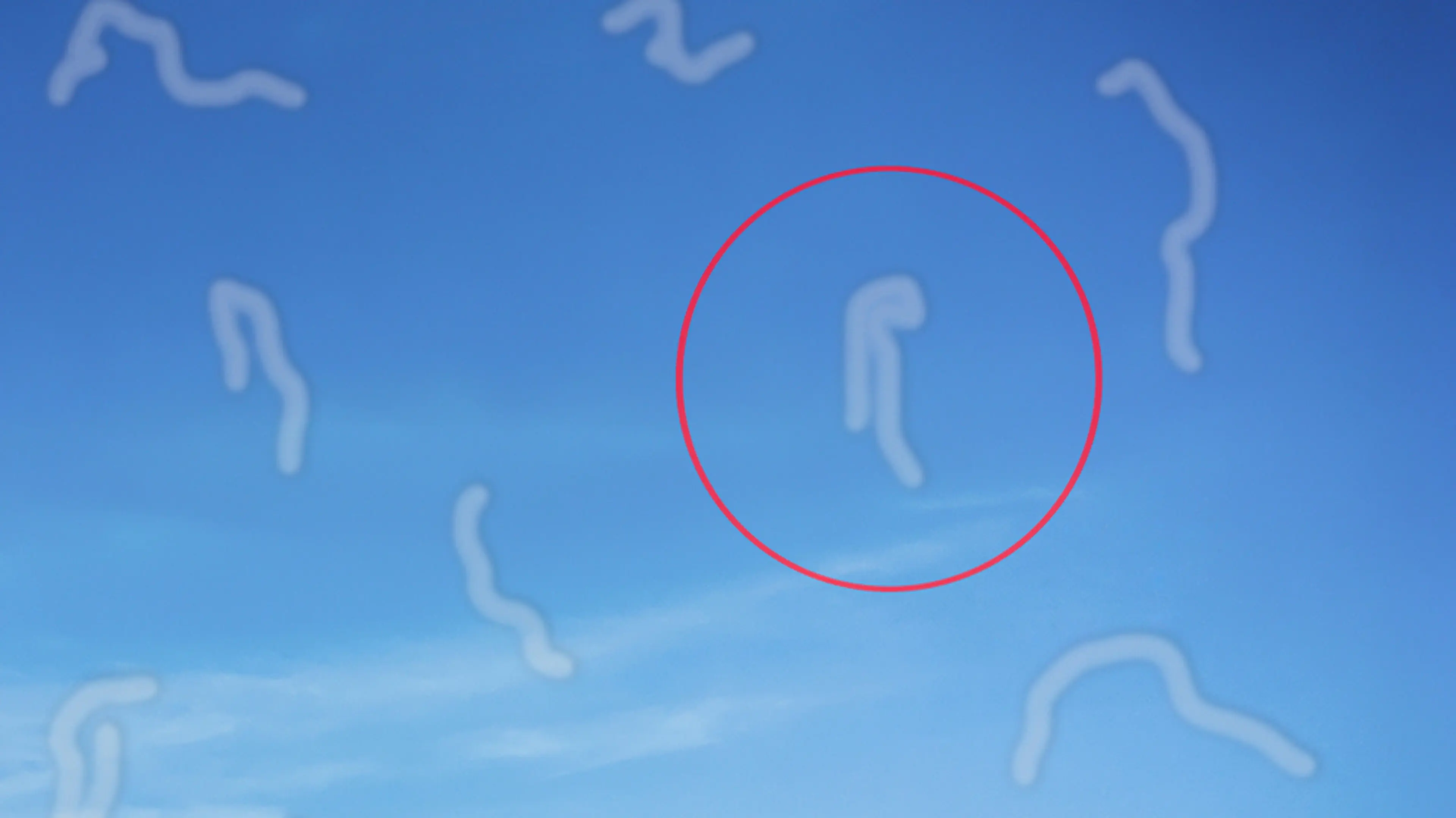
introductionHave you ever noticed small, squiggly lines or shadowy spots drifting across your vision? These are commonly known as eye floaters, and while they often seem like an annoying part of daily life, they are usually harmless. However, if you've experienced a sudden increase in floaters or associated symptoms, it could be a sign of a more serious eye condition. Recognizing the difference between harmless floaters and those linked to serious conditions, like retinal detachment, is crucial for preserving your eye health.
In this article, we'll break down everything you need to know about eye floaters—what causes them, when to worry, and how you can treat or manage them. We'll also touch on how advanced diagnostic tools and expert treatment can make a difference in protecting your vision.
What Are Eye Floaters?
what-are-eye-floatersEye floaters appear as tiny spots or squiggly lines that seem to drift in and out of your field of vision. They form when tiny clumps of gel or cells inside the vitreous—a transparent, gel-like substance in your eye—cast shadows on the retina. The vitreous shrinks and becomes more liquid over time, which leads to the formation of floaters. This phenomenon is often more noticeable as people age, but floaters can appear at any time in life.
While these spots can be distracting, they typically don’t affect vision significantly. However, certain changes in floaters should not be ignored, as they can be linked to more serious conditions, such as retinal detachment or vitreous hemorrhage.
Common Causes of Eye Floaters
common-causes-of-eye-floatersFloaters are generally caused by natural changes in the eye’s vitreous. Here are the main reasons they occur:
Natural Aging Process: As we age, the vitreous shrinks and becomes more liquid. This process causes collagen fibers to clump together, creating shadows on the retina that we perceive as floaters. Aging remains the most common cause of floaters, particularly in individuals over the age of 50.
Retinal Changes: Sometimes, the vitreous can detach from the retina too quickly, creating tension or even causing tiny tears in the retina. This can also contribute to floaters and may be linked to conditions like retinal detachment, a serious eye problem that requires prompt medical attention.
Other Risk Factors: Traumatic injuries, certain eye surgeries, and diseases like diabetic retinopathy or uveitis can also cause floaters. In these cases, floaters may appear suddenly and may be accompanied by vision loss or eye pain.
When to Be Concerned About Eye Floaters
when-to-be-concerned-about-eye-floatersWhile floaters are usually harmless, there are certain situations when they could signal a more serious eye condition. Here’s how to tell the difference between benign floaters and ones that require immediate attention:
Normal Floaters: These typically appear as small, fleeting specks or lines that don’t disrupt daily life. Over time, they tend to become less noticeable.
Serious Floaters: If you notice a sudden increase in the number or size of floaters, or if you experience them along with flashes of light or a shadow over your vision, this could indicate a more serious issue like retinal tears or detachment. It’s essential to see an ophthalmologist immediately if any of these symptoms occur.
Warning Signs That Require Immediate Attention
warning-signs-that-require-immediate-attentionPay attention to the following symptoms, as they may indicate a more serious underlying problem:
Flashes of Light: Bright flashes or lightning-like streaks in your vision, especially in the peripheral view, could be a sign that the vitreous is pulling on the retina. This can lead to retinal detachment, which requires urgent medical treatment.
Sudden Increase in Floaters: A sharp increase in the number or size of floaters may indicate retinal tears, vitreous hemorrhage, or other eye conditions that need attention.
Shadow or Curtain Over Vision: A shadow or curtain-like effect in your peripheral vision can be a sign of retinal detachment or other serious eye conditions. Seek immediate help if you experience this.
Conditions Linked to Floaters
conditions-linked-to-floatersThough most floaters are harmless, some can be linked to serious eye conditions. These include:
Retinal Detachment: When the retina separates from its underlying tissue, it disrupts the normal function of the eye, and floaters are one of the earliest warning signs. If left untreated,
retinal detachment can lead to permanent vision loss.
Vitreous Hemorrhage: Bleeding in the vitreous can cause floaters, along with blurred vision or sudden vision loss. This condition is often associated with retinal tears or diabetic retinopathy, requiring prompt medical intervention.
Macular Degeneration: Although macular degeneration generally causes gradual loss of central vision, it can sometimes cause floaters. If you experience floaters with blurred or distorted central vision, it may signal the onset of macular degeneration.
Other Eye Conditions: Diabetic retinopathy, uveitis (eye inflammation), and posterior vitreous detachment (PVD) are also linked to floaters. These conditions can change the vitreous or retina, leading to floaters or vision problems.
How Eye Floaters Are Diagnosed
how-eye-floaters-are-diagnosedIf you're experiencing changes in floaters or additional symptoms like flashes of light or vision loss, it’s essential to consult an ophthalmologist. Here’s how eye specialists diagnose floaters and related conditions:
Comprehensive Eye Exam: The doctor will examine your eyes using specialized instruments to check your vision, eye pressure, and the health of the internal eye structures, especially the retina and vitreous.
Optical Coherence Tomography (OCT): This advanced imaging technique provides detailed, cross-sectional images of the retina. OCT helps detect conditions like retinal tears, macular degeneration, and diabetic retinopathy before symptoms like vision loss occur.
Retinal Imaging and Dilated Eye Exam: These exams use special drops to dilate your pupils, allowing the ophthalmologist to examine your retina more thoroughly for any abnormalities.
Treatment Options for Eye Floaters
treatment-options-for-eye-floatersMost floaters don’t require treatment and may fade over time. However, for individuals whose floaters are persistent or associated with more serious conditions, there are treatment options available:
Monitoring and Observation: For many people, floaters are simply a nuisance. If they don’t worsen over time, treatment may not be necessary. However, it's crucial to monitor any changes and consult your doctor if new symptoms develop.
Laser Therapy: YAG laser vitreolysis is a procedure that targets and breaks up the collagen clumps causing floaters. It’s a minimally invasive option that can provide relief for those whose floaters affect daily activities.
Vitrectomy: In more severe cases, vitrectomy may be recommended. This surgical procedure removes the vitreous gel along with the floaters. However, it carries risks, such as infection and cataracts, so it’s typically reserved for cases involving retinal tears or detachment.
Prevention and Eye Health Maintenance
prevention-and-eye-health-maintenanceWhile you can’t always prevent eye floaters, taking steps to protect your overall eye health can reduce your risk and minimize the impact of floaters:
Regular Eye Exams: Annual check-ups with an ophthalmologist help detect early signs of retinal problems or other conditions that could lead to floaters. Catching issues early allows for timely treatment.
Healthy Diet: Nutrients like vitamin C, vitamin E, and omega-3 fatty acids can support retinal health and protect against age-related eye conditions like macular degeneration.
Protect Your Eyes: Wear sunglasses to block harmful UV rays, protect your eyes from injury, and manage chronic conditions like diabetes to maintain optimal vision.
How Jryn Eye Clinic Can Help
how-jryn-eye-clinic-can-help
At
Jryn Eye Clinic, we provide advanced diagnostic services and personalized care for patients with eye floaters. Using cutting-edge tools like OCT and retinal imaging, we ensure an accurate diagnosis and effective treatment plan.
Dr. Han Sang Yeop and our experienced team specialize in addressing eye conditions, including floaters, with tailored approaches suited to each patient's needs.
If you’re concerned about your floaters or notice any changes in your vision, don’t wait—schedule a consultation with us. Early diagnosis and intervention are key to preserving your eyesight and maintaining your overall eye health.
Conclusion
conclusionThough eye floaters are often harmless, they can sometimes indicate serious underlying conditions like retinal detachment. If you experience a sudden increase in floaters, flashes of light, or any shadowy obstructions in your vision, it’s crucial to seek professional help. At Jryn Eye Clinic, we’re committed to providing compassionate care and the latest diagnostic tools to ensure your vision stays clear and healthy.