Home / Articles
Does Cataract Surgery Cure Presbyopia?
Home / Articles
Does Cataract Surgery Cure Presbyopia?
As we age, our eyes undergo natural changes that can affect how we see the world. Two common age-related vision issues are cataracts and presbyopia. Cataracts cause the lens of the eye to become cloudy, leading to blurry or dim vision, while presbyopia makes it harder to focus on nearby objects, like reading a book or looking at your phone. If you’re dealing with both of these conditions, you may be wondering: Can cataract surgery fix presbyopia too?
At Jryn Eye Clinic, we often encounter patients who hope that cataract surgery can solve both problems in one procedure. While cataract surgery can dramatically improve vision, especially for distance, it doesn’t fully "cure" presbyopia. However, there are ways to manage both conditions effectively at the same time. Let’s dive into how cataract surgery works and what it can—or cannot—do for presbyopia.
Imagine trying to look through a foggy window or a pair of glasses covered in smudges. That’s similar to what it’s like when you have cataracts. Cataracts occur when the clear, natural lens inside your eye gradually becomes cloudy, leading to blurry, hazy, or even dim vision. This condition typically develops slowly over time and is most common in people over 60.
Your eye’s lens is crucial for focusing light on the retina, which sends visual information to the brain. When cataracts form, light can no longer pass through the lens properly, leading to blurred or distorted vision. Early symptoms of cataracts might include:
Blurred or dim vision
Difficulty seeing at night, especially while driving
Sensitivity to glare, like bright headlights or sunlight
Faded colors or yellowish tints to your vision
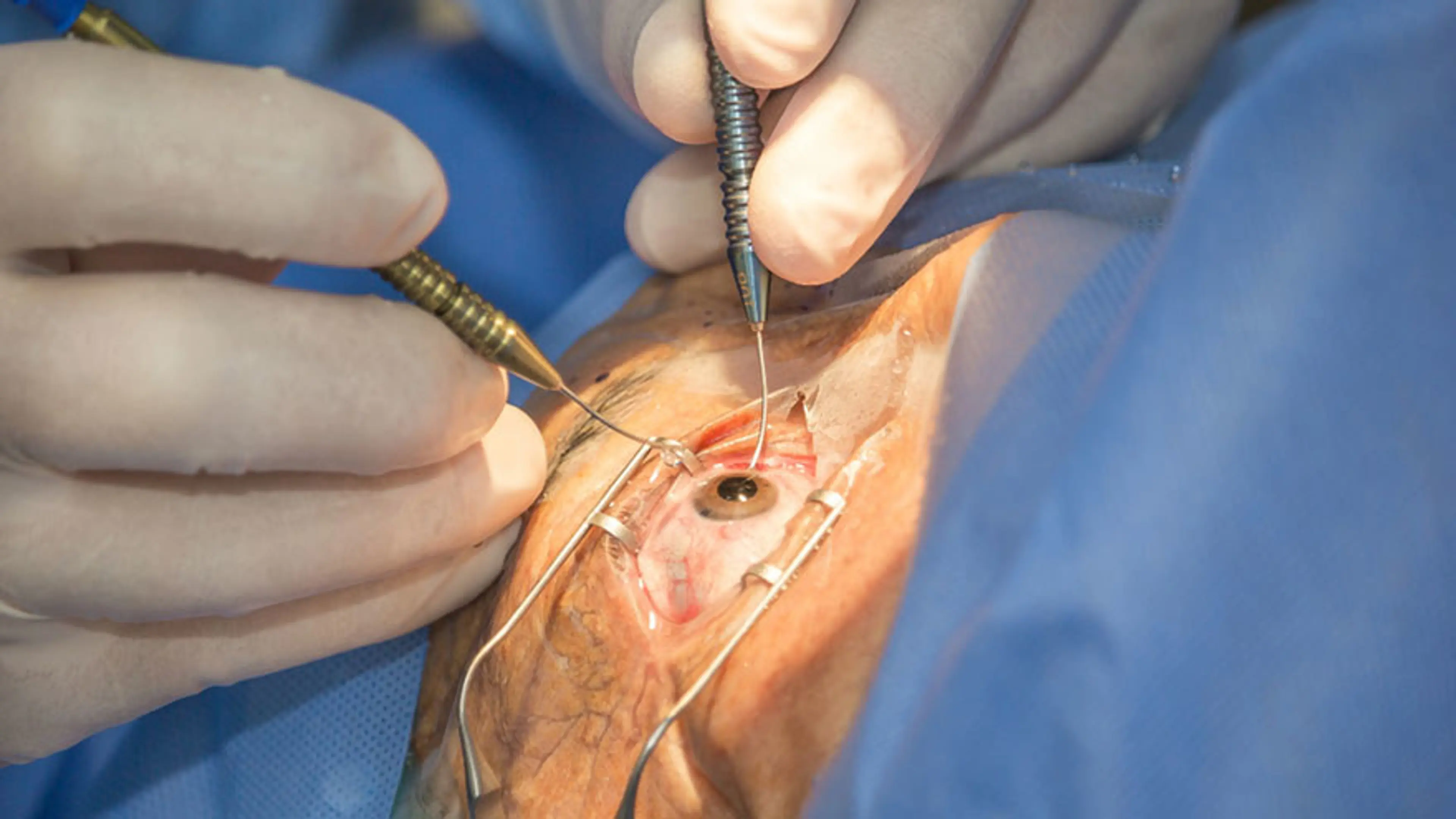
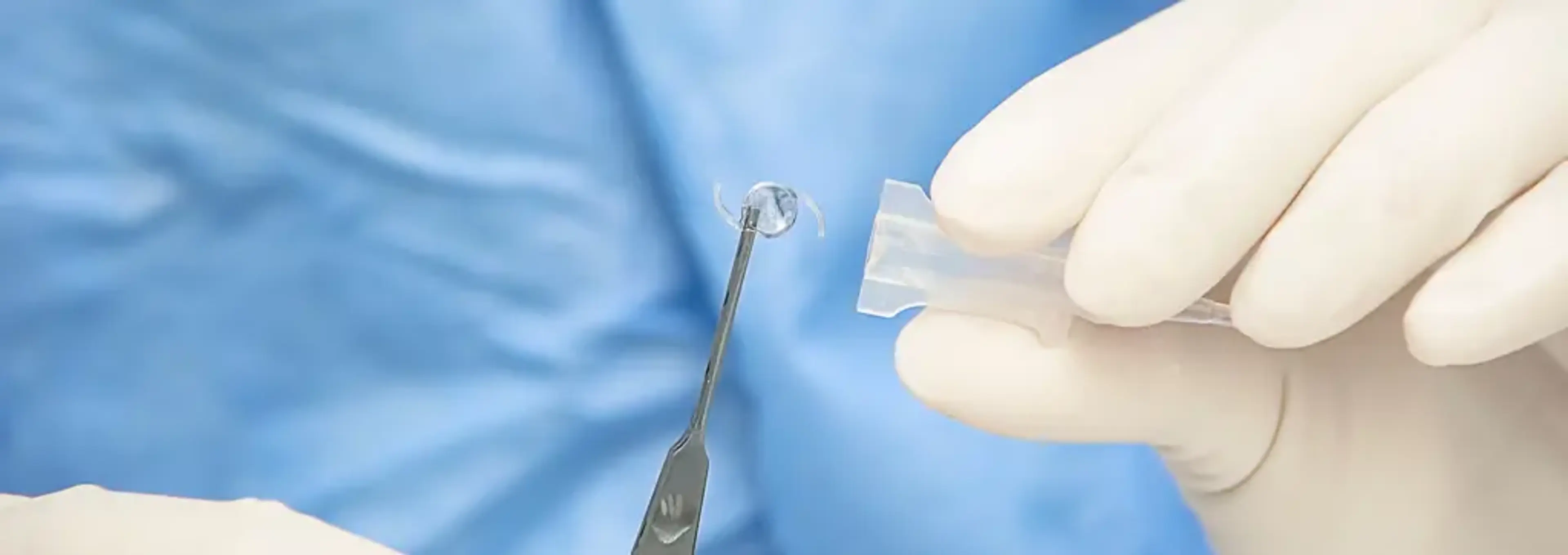
The only effective treatment for cataracts is surgery, where the cloudy lens is removed and replaced with a clear, artificial lens called an intraocular lens (IOL). This restores clarity and allows people to regain better distance vision.
While cataracts affect the clarity of your vision, presbyopia is about the inability to focus on nearby objects. It’s a natural part of the aging process and typically begins to affect people in their early to mid-40s. Presbyopia happens when the lens inside the eye becomes less flexible, making it harder to change focus from distant objects to things up close, like reading a book or using your smartphone.
At first, many people with presbyopia might hold reading materials farther away in an attempt to see clearly. Over time, they may need reading glasses or bifocals to help with near tasks. Some common signs of presbyopia include:
Holding books or phone screens farther away to read
Blurry vision when looking at close-up objects
Eye strain or fatigue when reading for extended periods
Unlike cataracts, presbyopia is a progressive condition that affects everyone to some degree as they age. It’s caused by a combination of factors, primarily the loss of flexibility in the eye’s lens. This means the eye can no longer change focus as easily, leading to difficulty seeing objects up close.
Here’s where it gets interesting. Cataract surgery can improve vision, but it doesn’t cure presbyopia in the traditional sense.
If you undergo cataract surgery, your natural cloudy lens is replaced with an artificial one, and that alone can restore your distance vision, getting rid of the cloudiness caused by cataracts. But presbyopia is caused by the loss of flexibility in the lens, so the surgery won’t reverse this age-related change.
However, there are ways cataract surgery can help reduce the effects of presbyopia, depending on the type of intraocular lens (IOL) chosen. Let’s explore this a little deeper.
Multifocal IOLs have multiple focusing zones built into the lens, which help you see both far and near objects more clearly. Essentially, they mimic the natural focusing ability of the eye, allowing patients to reduce their dependence on reading glasses after cataract surgery. However, the outcome can vary from person to person, and some may still need glasses for fine print or certain activities.
Accommodative lenses are designed to work similarly to the natural lens by allowing the eye to adjust its focus. These lenses can provide good vision at various distances, which can be beneficial for patients with presbyopia. While accommodative lenses are not perfect, they do reduce the need for reading glasses in many cases.
In essence, multifocal and accommodative IOLs can improve near vision after cataract surgery, but they don’t fully "cure" presbyopia in the sense that they restore your eye’s original, youthful focusing ability. They simply help with presbyopia symptoms by providing more versatility in your vision, especially for those who need a practical solution to reduce their dependency on reading glasses.
To truly “cure” presbyopia, we would need to restore the eye’s ability to accommodate, or change focus, naturally—something that cataract surgery alone can’t do. Even with advanced IOLs, patients may still experience some limitations. For instance, while multifocal lenses can improve near vision, the visual experience may not be perfect for everyone. Some patients might find halos or glare around lights, or they may still need glasses for certain tasks.
Additionally, cataract surgery with presbyopia-correcting lenses doesn’t change the underlying age-related loss of accommodation. The goal of cataract surgery with specialized IOLs is to improve quality of life by reducing the need for corrective eyewear, but it’s not a complete fix for the age-related changes to the eye’s lens.
If you’re looking for a more complete correction of presbyopia alongside cataract surgery, there are other options. For example:
At Jryn Eye Clinic, we understand that every patient has unique needs. If you’re dealing with cataracts and presbyopia, it’s crucial to have a detailed conversation with your ophthalmologist about what solution will work best for you. What works for one person may not be right for another, and choosing the right IOL or procedure requires careful evaluation of your eye health, lifestyle, and vision goals.
Dr. Han Sang Yeop and our team use advanced diagnostic technologies to assess your eye health and create a personalized treatment plan. Whether you’re considering cataract surgery, SMILE LASIK, or another form of vision correction, our goal is always to ensure that you receive the most effective, long-lasting solution for your unique needs.
Cataract surgery can significantly improve your vision by removing the cloudy lens and replacing it with a clear IOL. But while cataract surgery can reduce some of the effects of presbyopia, it doesn’t completely reverse or cure the condition. Specialized IOLs, such as multifocal or accommodative lenses, can help reduce your dependence on reading glasses, but they don’t restore the natural focusing ability of your eye.
If you’re dealing with cataracts and presbyopia, the good news is that there are several effective solutions available that can dramatically improve your vision and quality of life. At Jryn Eye Clinic, we can help guide you through the process of selecting the best option based on your lifestyle and needs. If you’ve been struggling with cataracts or presbyopia, don’t hesitate to schedule a consultation to explore the right treatments for you.