Home / Articles
Do I Need Eye Drops Forever After Surgery?
Home / Articles
Do I Need Eye Drops Forever After Surgery?
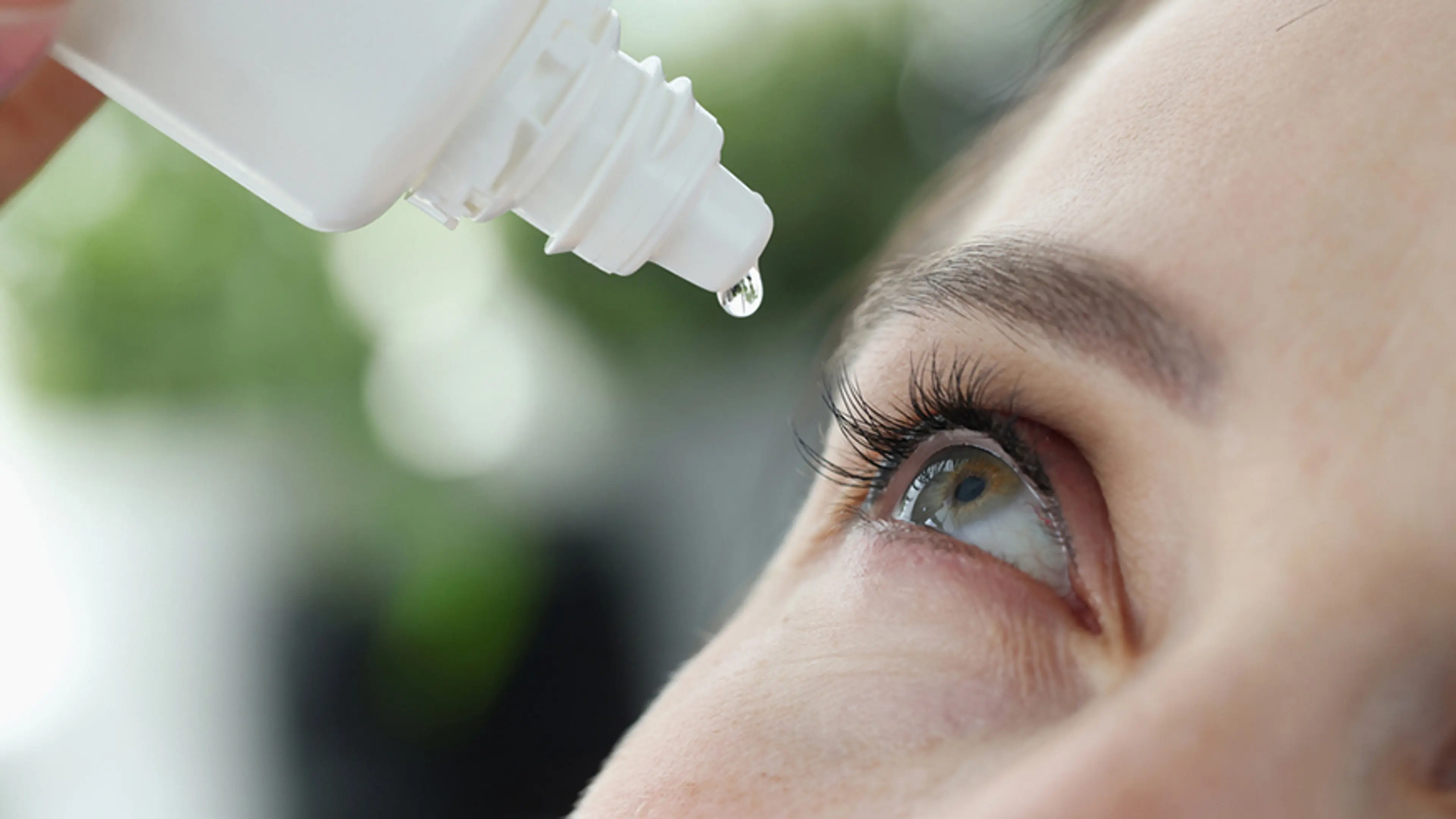
Eye surgery, whether it's for vision correction like LASIK, cataract surgery, or other eye procedures, is a significant step toward improving your vision and quality of life. However, one of the most common questions patients have post-surgery is: "Do I need to use eye drops forever?" It's a valid concern, as eye drops are often prescribed as part of the healing process, and many patients worry about the long-term need for them. While eye drops are essential during the recovery phase, the need for them doesn’t last forever for most people.
In this article, we’ll explore why eye drops are necessary after surgery, how long you might need them, and when it’s normal to stop using them. We’ll also discuss the exceptions and what to do if you find yourself relying on drops long-term. Whether you're recovering from LASIK, SMILE LASIK, or cataract surgery, understanding the role of eye drops in your recovery is crucial for ensuring the best possible outcome for your vision.
After eye surgery, your eyes are healing from a procedure that impacts the delicate structures of the eye. During this healing period, eye drops serve several purposes:
Without these drops, you may experience prolonged discomfort or even complications, which is why they are such an integral part of the post-operative care plan.
In most cases, no, you won’t need eye drops forever. However, some patients may need them for a longer period of time, depending on their individual situation.
For the first few weeks to months after surgery, you will likely be instructed to use eye drops regularly. This is the time when your eyes are still healing, and drops are necessary to ensure they stay hydrated, reduce inflammation, and lower the risk of infection.
Some patients may develop chronic dry eye after eye surgery, which can result in a longer-term need for lubricating eye drops. Dry eye is a common side effect of surgeries like LASIK or cataract surgery, as these procedures can temporarily reduce the eye's ability to produce tears.
In cases where dry eye persists, you may be prescribed artificial tears or other treatments for ongoing use. This isn’t the same as using drops for post-operative healing, but it’s important to continue managing your eye health to avoid discomfort or vision problems.
If you experience prolonged dryness or discomfort after your surgery, don’t hesitate to speak with your ophthalmologist. They can help you assess the situation and offer targeted treatments, which may include different types of lubricating drops, punctal plugs (to help retain moisture), or even other advanced therapies for dry eye.
Some patients, particularly those with pre-existing conditions like glaucoma or diabetes, may require ongoing use of eye drops even after surgery. For example, if you have glaucoma, your doctor may prescribe medicated eye drops to manage intraocular pressure (IOP) long after your eye surgery.
Similarly, those with certain types of retinal conditions or diseases may be advised to continue using eye drops or other medications to support their eye health.
In many cases, the need for eye drops can be minimized over time as your eyes heal and adjust. The key to reducing reliance on drops is:
If you’re concerned about your need for eye drops long-term, or if you find that you’re still using them regularly after the typical healing period, it’s important to revisit your doctor. There may be other treatments or interventions available to help.
While it’s common to need eye drops after surgery, if you find yourself relying on them long-term without improvement, it could be a sign that something isn’t quite right. Here are a few things to keep in mind:
Choosing Jryn Eye Clinic means choosing a clinic where your vision is in expert hands. Whether you’re looking for cutting-edge surgery or seeking advice on managing age-related eye conditions, our team is ready to provide you with personalized, compassionate care every step of the way.
To sum up, while you typically won’t need eye drops forever after eye surgery, some patients may require them for an extended period—especially those dealing with dry eye or other conditions. The goal is to follow your doctor’s post-surgery instructions carefully and address any discomfort or concerns early on.
If you’ve had surgery and are wondering whether you’ll need eye drops long-term, a conversation with your ophthalmologist can provide clarity. Personalized care is essential, as every patient’s recovery is different. Whether you’re healing from SMILE LASIK, cataract surgery, or another procedure, your ophthalmologist will help guide you through a recovery plan that fits your needs.