Introduction
comparing-the-5-main-types-of-eye-surgery-to-correct-visionImagine waking up and seeing the world in high definition without reaching for your glasses or struggling with contact lenses. For millions of people, modern technology has made perfect vision a reality. However, when you begin researching
eye surgery, the sheer number of acronyms LASIK, PRK, SMILE, ICL can feel overwhelming. Choosing the right procedure is essential for your long-term comfort and visual clarity.
While these technologies are available globally, many patients are now looking beyond their local clinics. Choosing a specialized eye surgery center in South Korea has become the preferred choice for international patients. Not only does South Korea offer the latest generation of German and American laser systems, but it also provides the world’s cheapest and best treatment options due to its highly competitive medical market and advanced infrastructure.
The Corneal Reshapers: LASIK and PRK
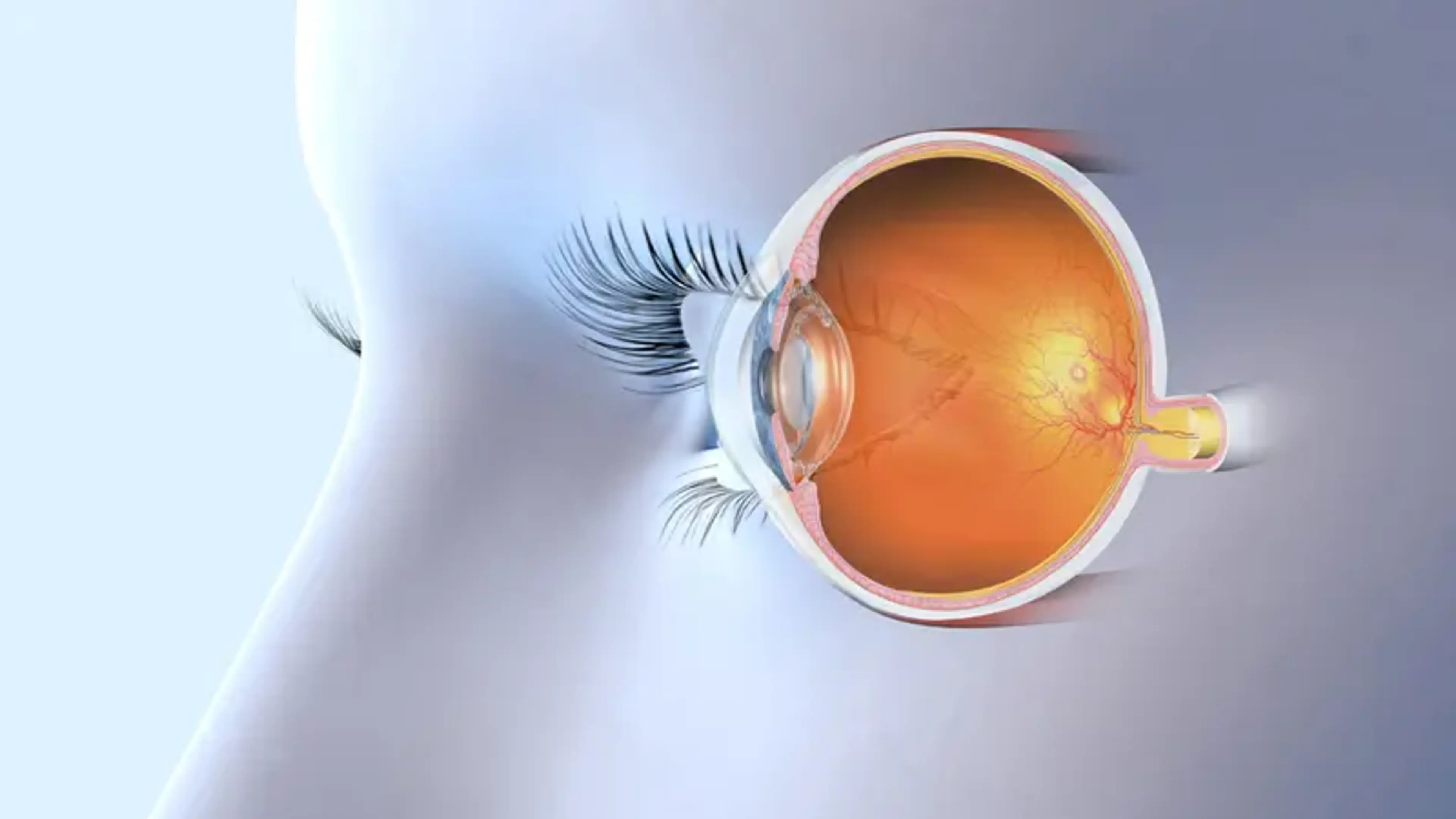
1.-the-corneal-reshapers:-lasik-and-prkThe most common forms of vision correction involve using a laser to reshape the cornea the clear front part of the eye. This allows light to focus correctly on the retina.
LASIK (Laser-Assisted In Situ Keratomileusis)
lasik-(laser-assisted-in-situ-keratomileusis)LASIK is the most famous type of eye surgery.
The Procedure: The surgeon creates a tiny, thin flap on the surface of the cornea. A laser then reshapes the tissue underneath, and the flap is laid back down.
The Pros: It is virtually painless and offers incredibly fast recovery. Most patients see clearly within 24 hours.
Best For: People with standard nearsightedness, farsightedness, or astigmatism who want an immediate return to daily life.
PRK (Photorefractive Keratectomy)
prk-(photorefractive-keratectomy)PRK was the original laser vision surgery and remains a vital tool today.
The Procedure: Instead of creating a flap, the surgeon removes the very top layer of the cornea the epithelium. The laser then reshapes the cornea directly.
The Pros: Because there is no flap, there is no risk of flap-related complications. This makes it the safest choice for people with thin corneas or those in high-contact professions.
The Cons: Recovery is slower. It usually takes 3 to 5 days for the surface layer to grow back and for vision to stabilize.
The Minimally Invasive Revolution: SMILE
2.-the-minimally-invasive-revolution:-smileSMILE is the newest advancement in laser eye surgery , representing a keyhole approach to vision correction.
smile-(small-incision-lenticule-extraction)The Procedure: A femtosecond laser creates a tiny, lens-shaped piece of tissue (lenticule) inside the cornea. This tissue is then removed through a microscopic incision.
Why it’s trending: Because the incision is so small, the corneal nerves stay mostly intact. This significantly reduces the risk of dry eye, which is a common side effect of traditional LASIK.
The Korean Edge: South Korean clinics were among the earliest adopters of SMILE technology. Because surgeons in Seoul perform thousands of these procedures monthly, they have achieved a level of surgical precision that is difficult to find elsewhere.
The Lens-Based Solutions: ICL and RLE
3.-the-lens-based-solutions:-icl-and-rle
If your prescription is too high for a laser to safely fix, or if your eyes are beginning to age, lens-based eye surgery is the gold standard.
ICL (Implantable Collamer Lens)
icl-(implantable-collamer-lens)The Procedure: Think of this as a permanent contact lens. A thin, flexible lens is inserted into the eye behind the iris.
The Pros: It is reversible. Unlike laser surgery, which removes tissue, ICL adds a lens that can be removed if your vision changes in the future. It is the best option for patients with extreme nearsightedness (-10.0 or higher).
RLE (Refractive Lens Exchange)
rle-(refractive-lens-exchange)The Procedure: This is essentially the same as cataract surgery. The eye’s natural lens is replaced with an advanced artificial multi-focal lens.
The Pros: It permanently corrects age-related vision loss (presbyopia). A major benefit is that once you have RLE, you can never develop cataracts later in life.
Decision-Making Guide: Which One Fits Your Lifestyle?
4.-decision-making-guide:-which-one-fits-your-lifestyleChoosing an eye surgery depends heavily on what you do for a living and your hobbies.
Lifestyle / Condition | Recommended Surgery | Why? |
|---|
Active Athlete / Military | PRK or SMILE | No flap to dislodge during physical contact. |
Office Worker / Busy Parent | LASIK or SMILE | Fastest recovery; back to work in 24-48 hours. |
High Prescription (-10.0+) | ICL | Safer than removing too much corneal tissue. |
Over 50 / Difficulty Reading | RLE | Fixes both distance and near vision permanently. |
Chronic Dry Eyes | SMILE or ICL | Minimizes disruption to the eye's tear production. |
The Financial Comparison: Why South Korea is the Smart Choice
5.-the-financial-comparison:-why-south-korea-is-the-smart-choiceWhen comparing the costs of eye surgery, the difference between Western markets and South Korea is staggering. South Korea is the cheapest and best location for these procedures because of the high volume of surgeries performed and specialized government support for medical tourism.
Average Cost Comparison (Per Eye in USD)
average-cost-comparison-(per-eye-in-usd)Eye Surgery Type | US / Europe | Russia | South Korea (Best Value) |
|---|
LASIK | $2,200 - $3,000 | $1,200 - $1,800 | $800 - $1,200 |
SMILE | $2,500 - $3,500 | $1,800 - $2,500 | $1,500 - $1,900 |
ICL | $4,000 - $5,500 | $3,000 - $4,500 | $2,500 - $3,200 |
RLE | $4,500 - $6,000 | $3,500 - $5,000 | $2,800 - $3,800 |
What to Expect: The Patient Journey
6.-what-to-expect:-the-patient-journeyThe process in a top-tier Korean eye surgery center is streamlined and incredibly thorough.
The Pre-Op Screening: In Korea, you won't just get a quick check. You will undergo a 50+ point eye exam to measure corneal thickness, tear production, and DNA testing for rare conditions.
The Surgery Day: The actual procedure is fast. Most laser surgeries take less than 15 minutes for both eyes.
Recovery: You will be given protective goggles and specific eye drops. While vision improves almost instantly, it takes a few weeks for your eyes to fully stabilize.
Potential Risks and How to Minimize Them
7.-potential-risks-and-how-to-minimize-them
No surgery is without risk, but modern eye surgery is one of the safest medical procedures in existence. Common side effects include:
Frequently Asked Questions
faq:-frequently-asked-questions1. Which Eye Surgery Is the Safest?
which-eye-surgery-is-the-safestAll five procedures are considered highly safe, with success rates exceeding 95 percent. SMILE and PRK are often recommended for patients concerned about flap-related complications, while ICL is regarded as the safest option for individuals with very thin corneas.
2. Does Eye Surgery Hurt?
2.-does-eye-surgery-hurtNo, eye surgery is not painful. Numbing eye drops are applied before the procedure begins, and while you may feel mild pressure for about 30 seconds, there is typically no pain during the surgery itself.
3. Is It Really Cheaper to Get Surgery in South Korea?
3.-is-it-really-cheaper-to-get-surgery-in-south-koreaYes, South Korea is a global leader in medical tourism and offers some of the most affordable yet high-quality eye surgery options. Patients can save up to 50 percent compared to Western countries, even after accounting for travel expenses.
4. How Long Will the Results Last?
4.-how-long-will-the-results-lastLaser vision correction procedures such as LASIK and SMILE create permanent changes to the cornea, although natural age-related vision changes can still occur. Refractive Lens Exchange (RLE) is considered the most permanent solution, as it replaces the natural lens and eliminates the risk of future cataracts.
5. Can I Fly Back Home Immediately After Surgery?
5.-can-i-fly-back-home-immediately-after-surgeryMost doctors advise waiting 3 to 5 days before flying. This waiting period helps ensure stable eye pressure and allows time for at least one post-operative checkup to confirm proper healing.
Conclusion
8.-conclusion:-taking-the-leapWhether you choose LASIK for its speed, SMILE for its safety, or ICL for its power, the goal is the same: freedom. By choosing to visit a specialized eye surgery center in South Korea, you are taking advantage of a 30-40% cost saving while accessing the world’s most experienced surgeons. Don't let the fear of acronyms stop you from seeing the world clearly.
And Check Treatment Effectiveness Today.