Home / Articles
Cataract Complications After LASIK: How They’re Managed
Home / Articles
Cataract Complications After LASIK: How They’re Managed
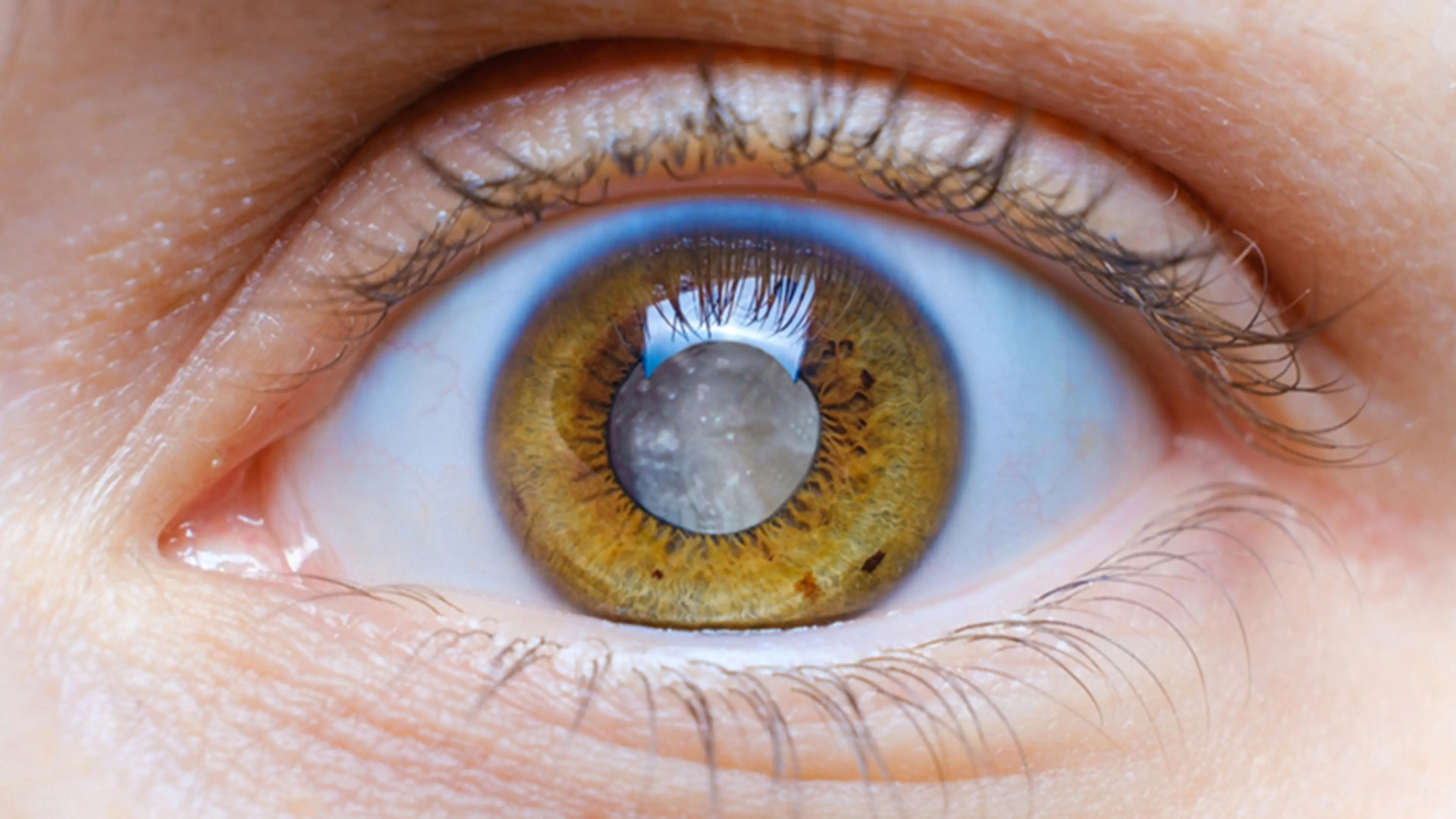
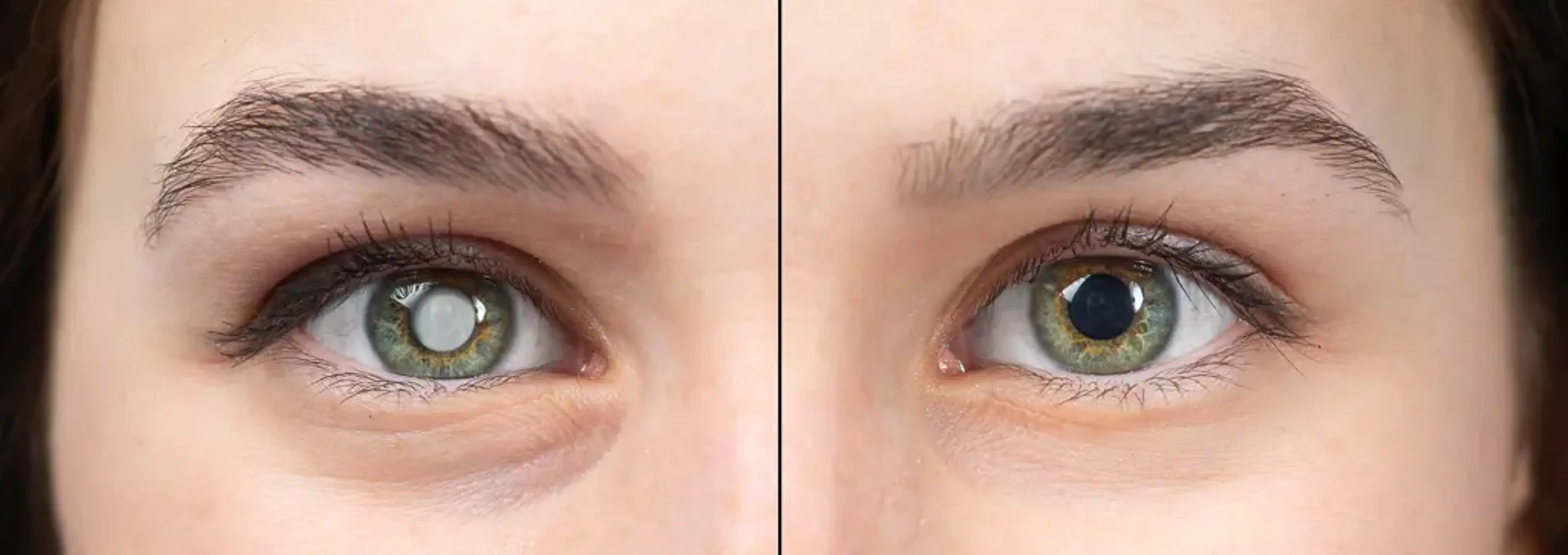
Imagine this: you had LASIK in your 20s or 30s and enjoyed decades of crystal-clear eyesight without glasses. Then, in your 50s or 60s, the world starts to dim, colors lose their brightness, and night driving becomes more difficult. Many patients are surprised when told that cataracts—not a “return of their old vision problem”—are now the cause. At Jryn Eye Clinic in Busan, we often see people who walk in puzzled: “I thought LASIK fixed my eyes forever. Why am I struggling with blurry vision again?”
The truth is, LASIK corrects the cornea, but it does not stop the natural aging of the eye’s internal lens. And once cataracts develop, surgery becomes the next step in restoring clarity. However, cataract surgery in eyes that previously had LASIK presents unique challenges. This article explores why complications can occur, how experienced ophthalmologists manage them, and what patients can expect when their two journeys—LASIK and cataract treatment—intersect.
LASIK reshapes the cornea—the clear dome at the front of the eye. This gives sharp vision as long as the internal lens remains healthy. But aging changes the lens, gradually clouding it until a cataract forms. Cataracts are not prevented by LASIK; they are part of the natural life cycle of the eye.
The challenge arises because the cornea has already been surgically altered. Standard cataract planning methods assume an untouched cornea. After LASIK, those assumptions no longer hold true, meaning the surgeon must adapt to a new landscape. This is why patients who had LASIK should seek cataract care at a clinic familiar with post-refractive eyes, where the nuances of measurement and planning are fully understood.
Selecting the right artificial lens power is one of the trickiest parts of cataract surgery in post-LASIK patients. Standard formulas often miscalculate, leading to under- or over-correction. This can mean unexpected dependence on glasses. For example, a patient who once enjoyed years of perfect unaided vision may find themselves suddenly needing strong reading glasses if lens power is misjudged.
Because the cornea has been reshaped, even successful cataract surgery can leave patients with halos, glare, or reduced night vision. These symptoms are especially noticeable when driving at night in Busan, where bright streetlights and neon signs can scatter more intensely in post-LASIK eyes. In practical terms, this might mean headlights appear to have starbursts around them, making evening commutes more stressful.
LASIK can cause long-term changes in tear film balance. When cataract surgery is added, dry eye symptoms can worsen temporarily, affecting both comfort and vision. Patients may experience burning or a gritty sensation, which, if untreated, also affects the quality of their vision recovery. Think of it like trying to look through a camera lens with smudges—the picture can’t be sharp until the surface is clear.
Although rare, some patients with very thin or older LASIK flaps may experience added stress on the cornea during cataract surgery. Skilled surgical technique is required to avoid flap-related issues, which could otherwise compromise corneal integrity.
At Jryn Eye Clinic, precision planning is key. Every step is adapted to respect the patient’s LASIK history.
We rely on a combination of technologies:
These advanced tools dramatically improve accuracy in selecting the correct lens. It’s a bit like tailoring a suit—generic measurements may work for some, but for post-LASIK eyes, every stitch must be customized.
Not every patient is suited for premium lenses like multifocal or toric implants. In some cases, a monofocal lens offers more reliable vision. At our clinic, we tailor IOL recommendations to the patient’s lifestyle, visual demands, and corneal condition. For example, someone who spends long hours at a computer may benefit from a different lens choice than someone who enjoys hiking in the mountains of Busan. These lifestyle-based decisions ensure the outcome feels natural, not forced.
We proactively treat dry eye before surgery using artificial tears, medicated drops, and sometimes punctal plugs. A healthy tear film is essential for precise measurements and faster recovery. In fact, some patients are surprised at how much clearer their vision becomes just from treating dry eye aggressively before surgery. It’s often the first “mini victory” before the bigger one—cataract removal.
Our surgeons avoid disturbing the old LASIK flap, often using femtosecond laser or micro-incision methods for maximum stability. This ensures the surgery is as gentle and safe as possible, minimizing risks and supporting faster healing. Each incision is planned to reduce unnecessary strain, much like carefully restoring a historic building while respecting its original structure.
Perhaps the most important step is conversation. We explain that while excellent clarity is achievable, absolute spectacle freedom is not guaranteed for everyone. Patients often appreciate this honesty and feel reassured by the transparency. Many say afterward, “It was exactly as you explained—no surprises.”
If you had LASIK years ago and now face cataracts, here are some practical steps:
To be honest, one of the most empowering things patients can do is ask questions. The more openly you discuss your concerns, the more tailored and reassuring the surgical plan can be. In Korea, where regular health check-ups are common, this type of dialogue fits naturally into the culture of preventive care.
At Jryn Eye Clinic in Busan, we see many patients who had LASIK in their younger years and now face cataracts. Dr. Han Sang Yeop and our team bring decades of experience, advanced technology, and a patient-first philosophy. We take the time to understand each patient’s history, listen to their vision goals, and use precision diagnostics to craft a personalized surgical plan.
One example is a patient who had LASIK in Seoul nearly 20 years ago. When she came to us with early cataracts, she feared she would “lose” the vision freedom she once enjoyed. Through careful testing and a tailored IOL selection, she regained clear sight—remarking that the world looked as bright as it had in her 30s. These success stories remind us that vision care is not just about surgery—it’s about restoring quality of life.
Another case involved a middle-aged teacher in Busan who relied heavily on reading and computer use. She was hesitant about multifocal lenses because of potential halos, but with thorough counseling and careful measurement, we found a solution that matched her lifestyle perfectly. Her gratitude was immense, saying she could now teach comfortably without struggling to read fine text.
For us, cataract surgery after LASIK is not guesswork—it’s a science guided by experience and compassion.
LASIK gave you the freedom to see without glasses, and cataract surgery can offer you a second chance at clear, vibrant vision. While post-LASIK cataract surgery is more complex than standard procedures, modern diagnostics and experienced hands make excellent outcomes possible.
If you had LASIK and now struggle with blurry vision, don’t assume it’s the end of your clear-sight journey. With the right care, cataracts can be managed safely and effectively. At Jryn Eye Clinic, we believe your eyes deserve the same precision and dedication at every stage of life.
If you’re noticing changes in your vision after LASIK, consider scheduling a cataract consultation with a trusted clinic like ours. Your past and your future vision deserve thoughtful, expert care. And perhaps most importantly—your next chapter of clear vision may be just ahead.