Home / Articles
Can You Upgrade Your IOL After Cataract Surgery?
Home / Articles
Can You Upgrade Your IOL After Cataract Surgery?
Cataract surgery has become one of the most common and effective medical procedures worldwide. For millions of people, the removal of a cloudy natural lens and its replacement with an artificial intraocular lens (IOL) restores clear vision, transforming lives and improving overall quality of life. However, what happens if, after cataract surgery, you're still not seeing as well as you had hoped? Maybe your vision isn't as sharp as you'd expected, or perhaps you're struggling to see well at different distances. Can you upgrade your IOL to something that better meets your needs?
At Jryn Eye Clinic, we understand the importance of personalized care and high-quality vision, especially when it comes to procedures as life-changing as cataract surgery. If you’re considering upgrading your IOL or wondering if it’s even possible, we’re here to provide you with detailed information, answering the question: Can you upgrade your IOL after cataract surgery?
Before diving into the specifics of upgrading your IOL, it’s essential to understand what an intraocular lens (IOL) is and its role in cataract surgery.
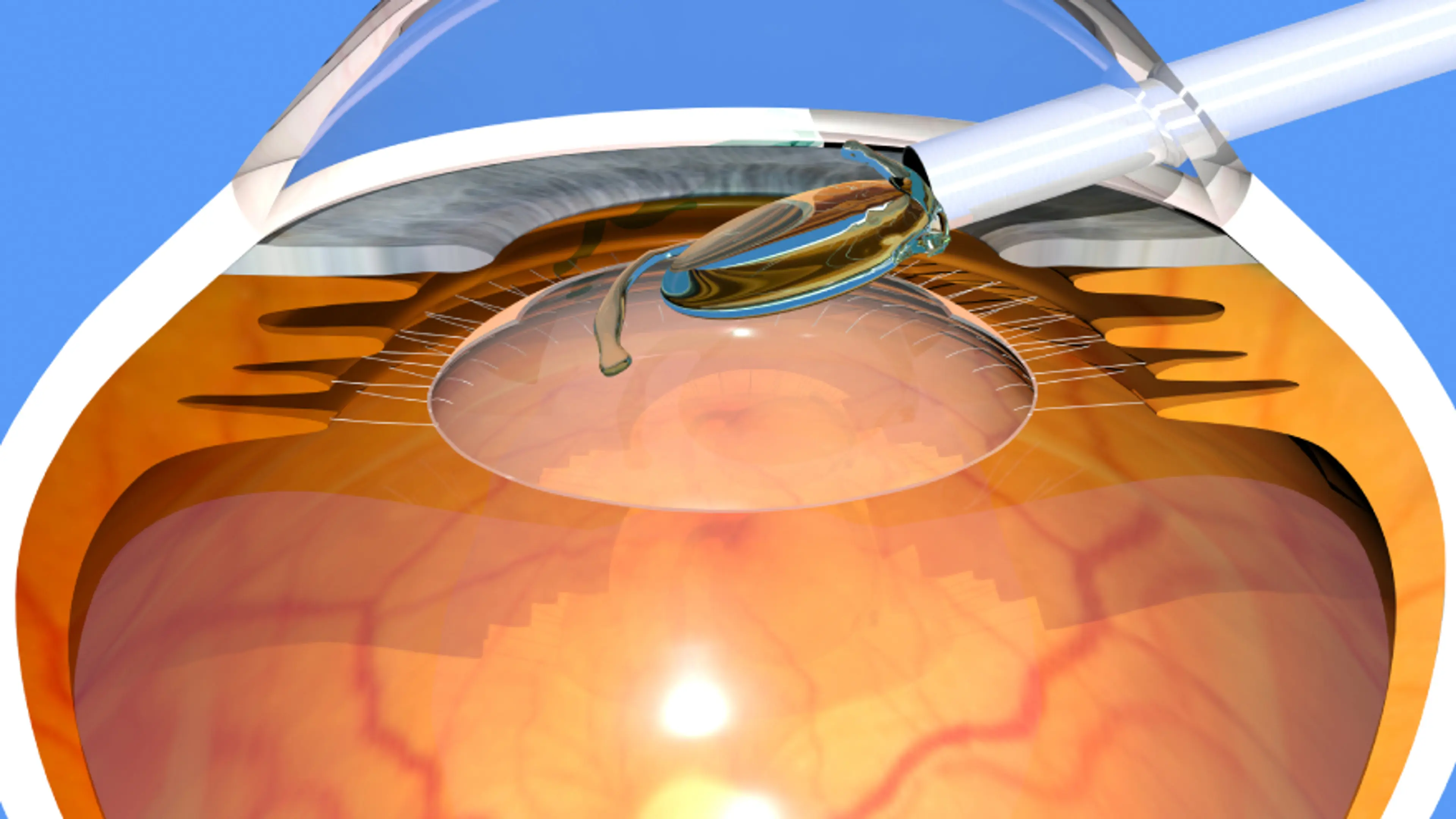
An IOL is an artificial lens implanted in the eye during cataract surgery after the natural, clouded lens is removed. The goal of the IOL is to restore clear vision by focusing light onto the retina, which helps you see clearly. However, not all IOLs are created equal. Depending on your lifestyle and vision needs, your doctor will select the most appropriate type of IOL for you.
There are several types of IOLs, including:
Each type of IOL offers different benefits depending on your lifestyle, and your surgeon will consider your age, eye health, and personal preferences when recommending the best lens.
Now that we understand what an IOL is and why it’s essential for your vision, let’s explore whether it’s possible to upgrade your IOL after cataract surgery.
The good news is that, yes, it is often possible to upgrade or replace your IOL after cataract surgery. While it’s ideal to choose the right lens in the first place, there are situations where patients may feel that their initial IOL doesn’t meet their expectations or where their needs change over time.
Here’s what you should consider before deciding whether an IOL upgrade is right for you:
After cataract surgery, many patients expect to experience sharp, clear vision immediately. However, some may still experience blurry or inconsistent vision, especially at certain distances. If you had a monofocal lens and find you’re still reliant on reading glasses or struggling with intermediate vision, upgrading to a multifocal or EDOF IOL could be a viable option.
One of the main reasons people opt for cataract surgery with a premium IOL is to reduce or eliminate their dependence on glasses or contact lenses. If your initial IOL didn’t give you the level of visual freedom you hoped for, an upgrade to a multifocal or EDOF IOL can offer better range and versatility, reducing the need for glasses for both near and far tasks.
If you had a standard monofocal IOL and still struggle with blurry vision due to astigmatism, upgrading to a toric IOL could help. Toric IOLs are designed specifically to correct astigmatism, providing clearer vision and reducing the need for corrective lenses.
As we age, our eyes continue to change. Some people who had excellent vision immediately after cataract surgery may notice a gradual decline in near vision over time, especially with presbyopia, which causes difficulty focusing on close objects. If this happens to you, upgrading to a multifocal IOL or EDOF lens could improve near and intermediate vision and reduce dependence on reading glasses.
If you’re considering upgrading your IOL, here's what you can expect during the process:
The first step is to schedule a consultation with your ophthalmologist. During this visit, your eye doctor will perform a thorough eye exam, discuss your symptoms, and evaluate your current visual needs. The doctor will assess the type of IOL you currently have, what it’s doing well, and where it may be falling short.
Just like the initial cataract surgery, a comprehensive pre-operative assessment is crucial. Your ophthalmologist will measure your eye’s shape, size, and any refractive errors to determine which new IOL will best meet your needs. This ensures that the replacement lens is accurately chosen for optimal vision.
Upgrading or replacing an IOL is generally a straightforward procedure. The old IOL is gently removed through a small incision, and the new lens is implanted. This process is minimally invasive, and most patients experience quick recovery times. The surgery typically takes less than 30 minutes, and local anesthesia is used to ensure a comfortable procedure.
After surgery, you’ll have follow-up appointments with your ophthalmologist to monitor your recovery and ensure that the new IOL is performing as expected. These appointments are critical to assess your visual outcomes and make any necessary adjustments to optimize your vision.
As with any surgical procedure, there are risks associated with upgrading or replacing your IOL. Although complications are rare, some potential risks include:
It’s essential to discuss these risks with your ophthalmologist so you can make a well-informed decision. Choosing a reputable clinic, like Jryn Eye Clinic, ensures that you’re in the hands of experienced professionals who prioritize your long-term eye health and visual satisfaction.
While upgrading your IOL is a good option for many, there are alternatives you might consider, depending on your specific situation:
Upgrading your IOL after cataract surgery is certainly possible and can be a great way to enhance your vision if your initial implant didn’t fully meet your expectations. Whether you're dealing with the limitations of a monofocal IOL, struggling with astigmatism, or experiencing age-related vision changes, the right IOL can make a world of difference.
The process is generally straightforward, with many options available to address different vision needs. However, it’s essential to consult with an experienced ophthalmologist who can assess your unique situation and guide you through the decision-making process. At Jryn Eye Clinic, we understand how important your vision is, and we’re committed to offering personalized care with the latest in advanced IOL technology to help you achieve the clearest, most comfortable vision possible.