Home / Articles
Can You See the EVO ICL Lens in Your Eye?
Home / Articles
Can You See the EVO ICL Lens in Your Eye?
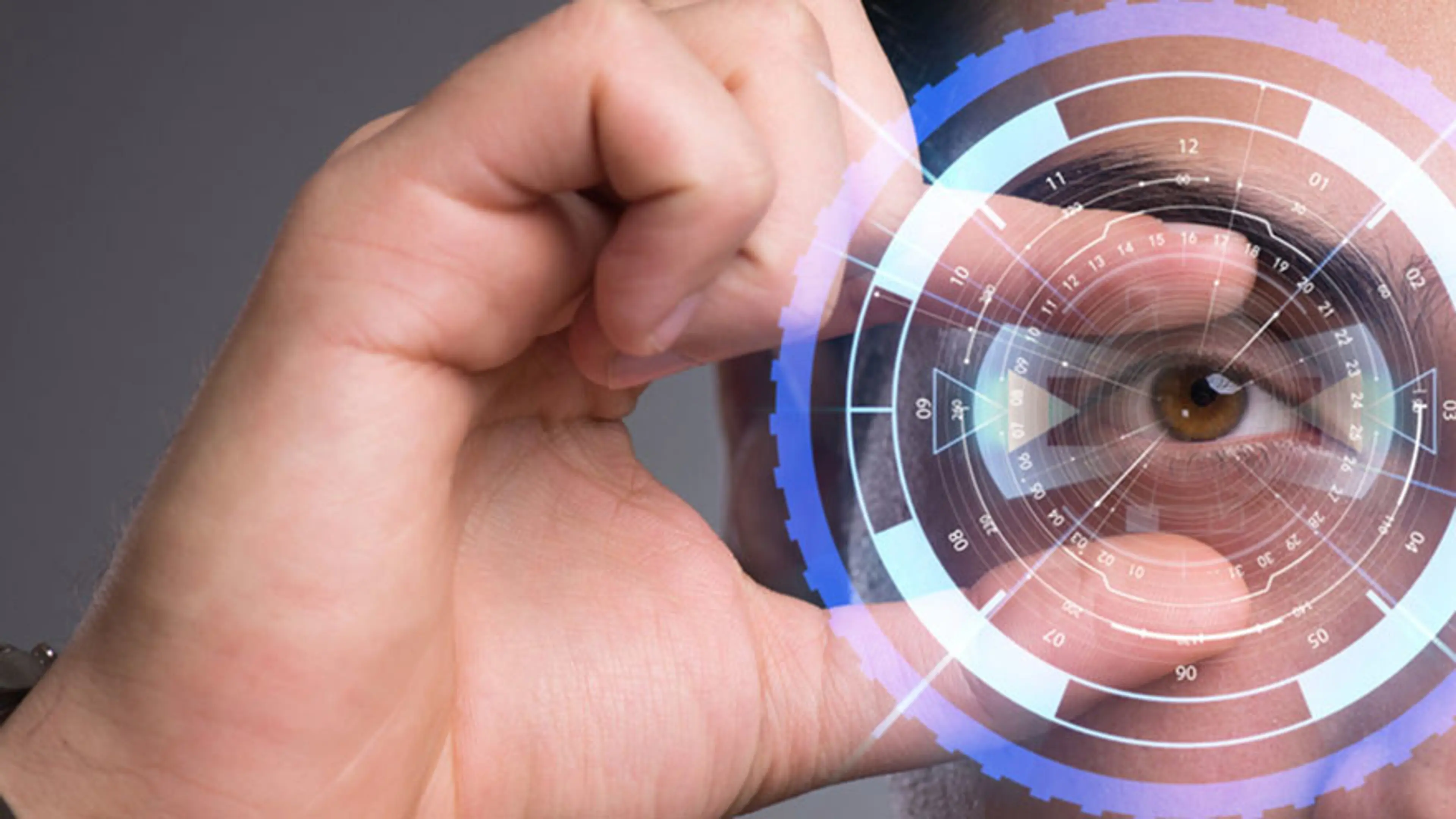
This isn’t a shallow question. It speaks to a deep desire for natural-looking results, especially in a culture like ours that values subtlety and precision. At Jryn Eye Clinic in Busanjin-gu, Busan, we've guided hundreds of patients through this question with a clear answer: No, the lens is not visible—and that’s exactly how it’s designed to be.
The lens is made from a unique material called Collamer®, which combines collagen (a protein naturally found in your body) with a proprietary polymer. This blend makes the lens highly biocompatible, meaning it works in harmony with your eye without triggering inflammation or rejection.
The procedure itself is minimally invasive. The lens is gently inserted through a tiny incision and positioned between the iris (colored part of the eye) and your natural lens. No part of the lens is visible, and most people return to daily life within a day or two.
One of the most remarkable features of EVO ICL is its ability to completely disappear into the natural anatomy of the eye. To understand how this is possible, it's helpful to look at the design, material, and positioning of the lens—and how all these elements work together to make the lens invisible in daily life.
The EVO ICL is implanted in the posterior chamber of the eye. Specifically, it is inserted behind the iris (the colored part of the eye) and in front of the natural crystalline lens. Because the iris sits in front of the ICL, it blocks it from being seen from the outside. This positioning ensures that even under bright light or during eye movement, the lens remains completely hidden.
This anatomical location also contributes to the lens's stability. It's held securely in place by the natural structure of the eye, reducing the risk of shifting or tilting. Patients don't feel it—and importantly—they don't see it.
The EVO ICL is made of a proprietary material called Collamer®. This material is not only biocompatible, meaning the body doesn’t reject it, but it is also optically pure. Collamer® is designed to be completely transparent, allowing light to pass through naturally and cleanly without any internal reflections or color distortions.
Unlike some synthetic materials used in other types of implants, Collamer® has anti-reflective properties. This helps ensure that the lens does not glint or shimmer under light, making it invisible even in photography or close-up observation.
Each EVO ICL lens is meticulously shaped to conform to the contours of the individual eye. The smooth edges are designed to reduce visual artifacts and make integration with the natural lens seamless. Because there are no rough or thick edges peeking out from behind the iris, there is nothing that could disrupt the look of your pupil or create visual discomfort.
Some patients mention that, occasionally, they feel like they catch a glimmer or shimmer in their peripheral vision—especially in bright lighting or when lying in a certain position.
This is rare and typically short-lived. Most of the time, it isn’t the lens you’re seeing but natural reflections from the cornea or tears on the eye’s surface. At Jryn Eye Clinic, we track these symptoms closely and usually find they fade as your brain adapts to the new visual system.
It’s a little like getting a new pair of high-end glasses—you might notice certain reflections or lens flares in the first few days, but these usually disappear as your visual system adjusts.
Yes, but only with the right tools. During a follow-up exam, your ophthalmologist will use a slit-lamp microscope to inspect the position and condition of the lens. This allows us to see:
Whether the lens is properly centered
How much "vault" space is between the ICL and your natural lens
Any signs of cell buildup or inflammation
These checkups are part of the reason why EVO ICL has such a strong safety profile. It’s not a "set-it-and-forget-it" device—we guide you through the healing process and monitor your eye long-term.
In fact, we often use anterior segment OCT (optical coherence tomography) to get a 3D map of your eye. This technology lets us see exactly how the lens is sitting and how your natural structures are responding. It’s part of our precision-first approach at Jryn Eye Clinic.
In normal photographs, absolutely not. The lens won’t reflect flash or make your pupil look odd. Your eyes will look exactly the same as before—except now, you won’t need glasses or contacts.
In diagnostic imaging (like anterior segment OCT or ultrasound biomicroscopy), yes, the lens is clearly visible. These scans allow us to see a detailed cross-section of the eye and are helpful for planning and long-term care. But that visibility is limited to the clinic—it won’t show up in day-to-day life.
Also worth noting: EVO ICL is MRI-compatible and doesn’t trigger airport metal detectors. So you can travel, get medical scans, and go about your life without a second thought.
This invisibility also extends to your lifestyle. Whether you’re on stage, in front of a classroom, or behind a camera lens—your eyes will look exactly the way they always have.
At Jryn Eye Clinic, we’ve treated thousands of patients who once asked this very question. Many are young professionals, students, or people in public-facing careers who care deeply about aesthetics. The feedback is remarkably consistent:
One of our patients, a wedding photographer in Haeundae, told us:
Another patient, a 42-year-old teacher with high myopia, shared:
That’s the power of invisible correction.
This is a practical concern, especially as we age. Fortunately, EVO ICL is removable. If you ever need cataract surgery in your 60s or 70s, the ICL can be safely extracted by a skilled surgeon. This is one of the major advantages of EVO ICL over permanent corneal reshaping like LASIK.
At Jryn Eye Clinic, we specialize in both ICL and cataract procedures, so your future vision care can remain in trusted hands.
And here’s a subtle truth many clinics overlook: patients who have ICL earlier in life tend to have better pre-cataract eye health, because they’ve avoided years of contact lens-related dryness or infections. So choosing EVO ICL may actually set you up for a healthier long-term outcome.
EVO ICL isn’t just about seeing better—it’s about doing so without compromise. You won’t feel it. You won’t see it. It won’t show up in photos, social settings, or even under direct lighting. But you’ll know it’s there, quietly reshaping the way you experience the world.
For patients in Korea and around the world, especially those who value minimalism and aesthetics, this invisibility is not a small detail—it’s central to peace of mind. EVO ICL doesn’t alter the outward appearance of your eyes, yet it radically changes how you interact with life: reading without squinting, driving at night with full clarity, or waking up without fumbling for glasses.
What makes this even more powerful is its adaptability. EVO ICL respects the long arc of your visual journey. It’s reversible. It doesn’t burn or cut the cornea. And if you ever need cataract surgery decades down the line, your eye is still perfectly prepared for it.