Home / Articles
Can You Feel Your ICL Lens?
Home / Articles
Can You Feel Your ICL Lens?
Imagine waking up in the morning and seeing clearly—no glasses slipping off your nose, no contact lenses drying out your eyes by lunchtime. Just crisp, effortless vision that greets you the moment you open your eyes. For many people in Busan and around the world, EVO ICL (Implantable Collamer Lens) surgery has made that a reality. But even as this life-changing procedure gains popularity, one simple, honest question lingers in the minds of many prospective patients:
“Will I feel the ICL lens in my eye?”
It’s not just a technical curiosity—it’s about comfort, peace of mind, and long-term quality of life. Patients want to know: Will this new lens become a constant presence? Will it feel foreign, irritating, or invasive?
At Jryn Eye Clinic, where we perform ICL procedures with meticulous precision and individualized care, we hear this question often. And we understand where it’s coming from. After all, vision is one of the most intimate parts of your experience. Having something implanted into your eye might sound like it should come with sensation—maybe even discomfort.
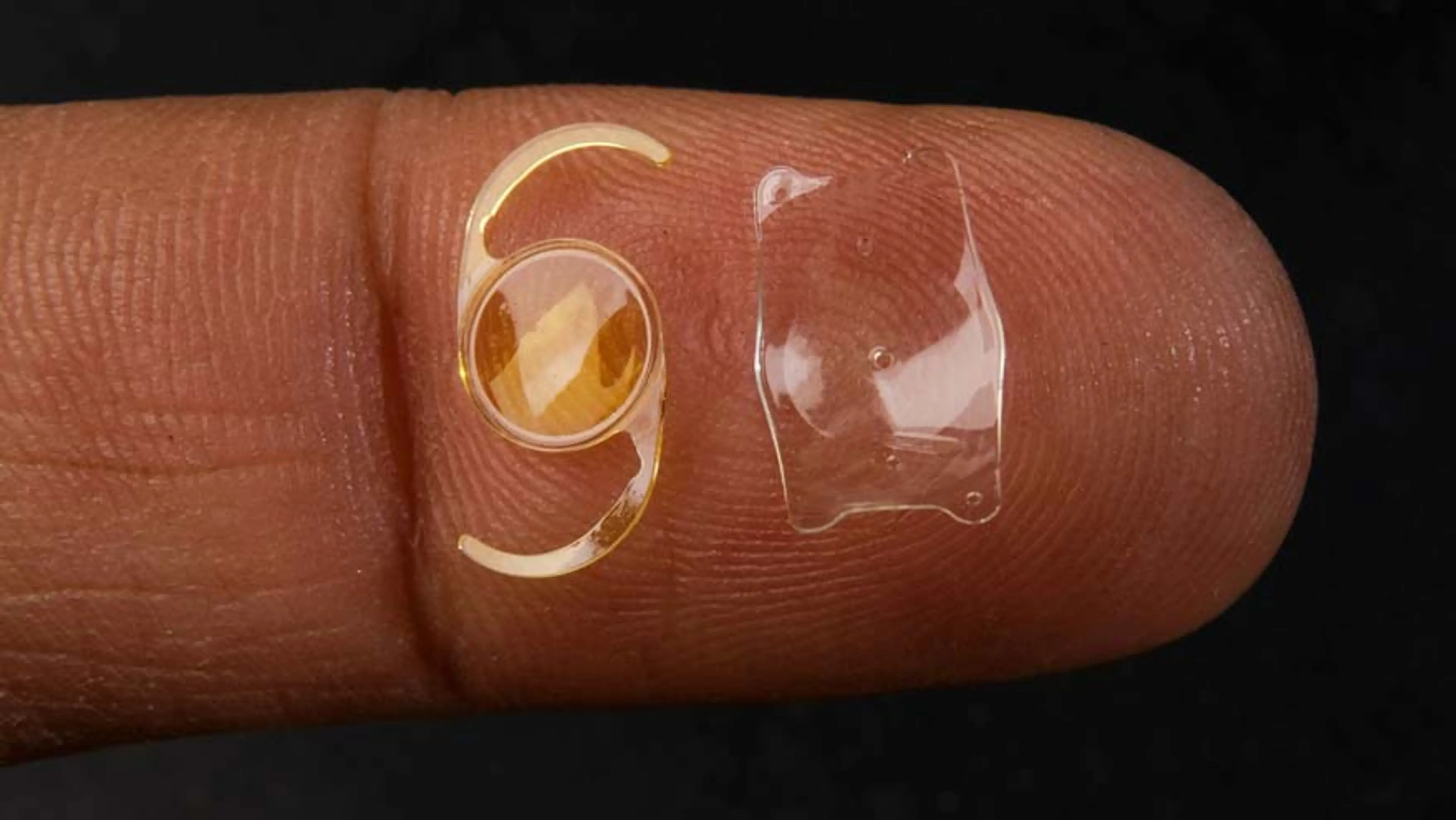
First, some context. The EVO ICL (Implantable Collamer Lens) is a soft, flexible lens made from a biocompatible material called Collamer. It’s implanted inside your eye to correct refractive errors like myopia (nearsightedness), astigmatism, or even moderate hyperopia.
Unlike LASIK or PRK, which reshape the cornea, the EVO ICL is placed behind your iris and in front of your eye’s natural lens. This location—known as the posterior chamber—is key to its invisibility and comfort.
Because the lens doesn’t rest on the cornea or touch the sensitive nerve endings on the eye’s surface, it doesn’t create the sensations you might associate with contact lenses. And since it’s designed to integrate with your natural eye structures, your brain simply “forgets” it’s there.
The placement is also beneficial for people with thin corneas or dry eyes—two common issues that can limit eligibility for LASIK. By bypassing the cornea entirely, the ICL avoids exacerbating dryness or causing surface-level irritation.
Let’s be clear: You may feel some sensations immediately after surgery—but they’re not coming from the lens itself. They’re from the eye adjusting to a short, minimally invasive procedure.
Here’s a realistic post-op timeline based on our experience at Jryn Eye Clinic:
We often hear this line at follow-ups: “If I didn’t know I had surgery, I wouldn’t believe anything was inside my eye.”
What’s more interesting is how many patients say they stop thinking about their eyes altogether. This subtle psychological relief—the absence of daily lens maintenance, foggy glasses, or irritation—is often what brings the most long-term satisfaction.
Technically, no—you shouldn’t be able to feel the lens itself. But some situations can cause discomfort that patients sometimes misinterpret as being related to the lens:
The space between the ICL and your natural lens is called the "vault." Too high or too low vaulting can cause light scatter, pressure, or pupil block in rare cases. This is why precision in pre-op imaging is critical.
At Jryn Eye Clinic, we use high-resolution anterior segment OCT and ultrasound biomicroscopy to measure your eye’s internal dimensions with millimeter-level accuracy. Proper sizing ensures the ICL “floats” in the right position—undetectable and safe.
Excessive rubbing—especially in the first few weeks—can irritate the eye. While it won’t make you feel the lens, it can cause temporary inflammation or dryness that creates a sensation near the lens area.
A small number of patients may experience mild inflammation after surgery. This is usually well-controlled with anti-inflammatory eye drops and doesn’t indicate a problem with the lens itself.
Over time, natural eye changes such as cataract development (which occurs with age, not because of the lens) might alter how your eye feels or sees. But again, this has nothing to do with the ICL directly.
In rare cases, patients who are anxious or highly focused on their vision may report a “feeling” in their eye, especially shortly after surgery. This tends to resolve naturally once reassurance and clear follow-up confirm the lens is perfectly placed.
The difference is night and day.
With contacts, you might feel:
Dryness after a few hours
The lens shifting or moving
The need to clean or replace lenses
Risk of infections if hygiene slips
With ICL:
No dryness
No movement
No daily maintenance
No foreign body sensation
No contact with the cornea or eyelids
It’s like the visual upgrade of contacts—without any of the upkeep or tactile drawbacks.
Many of our patients in Busan come to us after years of frustration with soft contact lenses or glasses. They’re amazed at how natural their vision feels after ICL—especially athletes, frequent travelers, and those with active lifestyles.
It’s also worth noting that people who previously could only wear glasses due to dry eyes often report a huge quality-of-life improvement with ICL. They get the benefits of contact lenses, without any of the downsides that previously made them unsuitable candidates.
To be honest, one of the things we rarely say publicly—but always tell patients in the consultation room—is this:
The ICL is not just invisible to your eye—it’s invisible to your mind.
That’s because we’re not just implanting a lens. We’re restoring ease. The kind of ease where you wake up, see clearly, and don’t have to think about eye drops, lens cases, or fogged-up glasses. That’s the true benefit of EVO ICL when done right.
This emotional lightness—this return to “normal”—is difficult to quantify but deeply appreciated by patients. It’s something contact lenses or glasses never quite offer.
And it’s why choosing the right clinic—one with advanced imaging, surgical precision, and follow-up care—makes all the difference.
Choosing to undergo vision correction isn’t just about seeing more clearly—it’s about living more freely. Whether it’s the frustration of contact lenses that dry out in air-conditioned offices, or the hassle of foggy glasses on rainy Busan mornings, the daily struggles add up. EVO ICL offers a new path: one where your vision becomes effortless, and your eyes feel... like yours again.
At Jryn Eye Clinic, we’ve helped thousands of patients not only see better, but feel better—about their eyes, their appearance, and their future. With cutting-edge diagnostics, surgeon-level precision, and heartfelt follow-up care, we guide you through every step, from your first consultation to years of stable, sharp vision.
If you're considering ICL and wondering what it truly feels like to live with one—trust the experience, trust the science, and trust the results. Our patients routinely tell us they forget the lens is even there. That’s not a coincidence. That’s the standard we aim for.